

The ENVO Projects Archive
Over more than two decades, those ideas have moved through bicycles, snow vehicles, watercraft, velomobiles, electric ATVs, utility vehicles, control systems and, increasingly, software and digital engineering tools.
The public record of many of these developments can be found in the ENVO Projects archive.
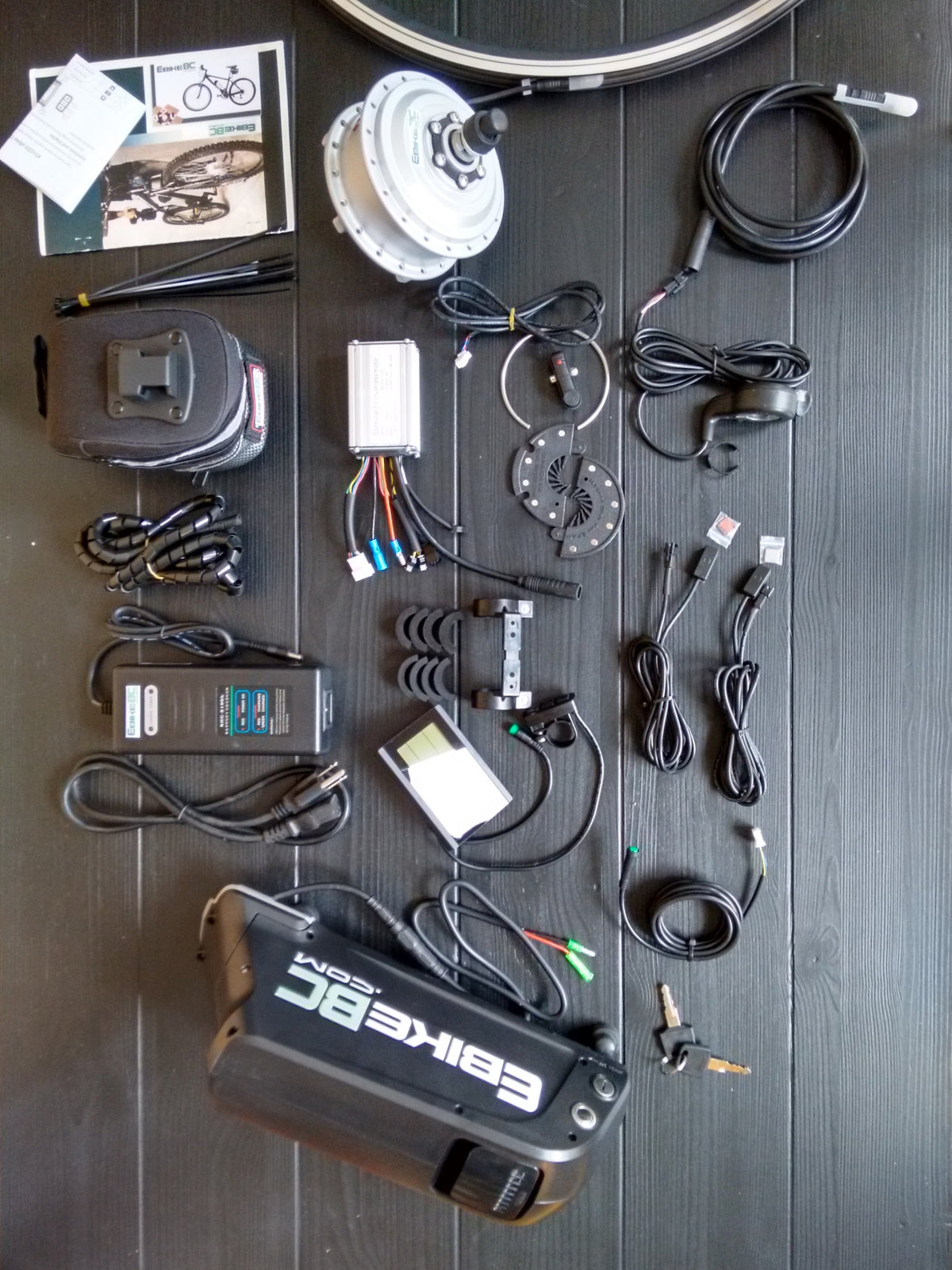
The Beginning: Human-Powered Vehicles and Electric Conversion Kits
The engineering philosophy behind ENVO predates ENVO itself. In 1998, Ali Kazemkhani participated in the design and construction of a human-powered vehicle for a university engineering competition. The project required structural engineering, drivetrain design, ergonomics, weight optimization and an understanding of how human input interacts with a vehicle.
That thinking transitioned into electric mobility in the early 2000s. The first electric bicycle prototypes used conventional bicycles fitted with electric motors and batteries. Early experiments exposed the limitations of lead-acid batteries, direct-drive motors, poor weight distribution and inflexible mounting systems. Those failures gradually pushed the development toward lithium batteries, geared hub motors and modular components that could fit different bicycles.
The electric bicycle conversion kit became the first major expression of what would later become ENVO's platform philosophy: rather than replacing the entire vehicle, develop a standardized electric system capable of upgrading many existing vehicles.
The commercial conversion-kit program eventually developed interchangeable motors, batteries, controllers, sensors and mounting solutions that could support many bicycle geometries. That experience provided the electrical and drivetrain foundation for ENVO's later complete e-bikes.
The principle established here (build a reusable system rather than a single-purpose product) would reappear repeatedly in SnowBike, FLEX, the 35 and 50 Series e-bike systems and ultimately UPT.

Snow Mobility: SnowKart and SnowBike
Snow mobility represents one of the longest-running engineering threads in ENVO's history.
The original SnowKart concept began in the late 1990s with small gasoline-powered prototypes. Multiple chassis, steering, track and weight-distribution configurations were tested before arriving at a compact single-front-ski architecture. Although commercialization was not viable at that time, the project established the vehicle dynamics that later electric versions would build upon.
Nearly two decades later, improved lithium batteries and electric motors made it possible to revisit the concept as an electric vehicle. The first modern Electric SnowKart Generation 1 was built as a proof of concept around 2017.
The second-generation Electric SnowKart advanced the project toward a commercially realistic architecture using a rubber track, roller bogies, shared batteries and a more modular drivetrain. That architecture became important beyond SnowKart itself because parts of the snow drivetrain could be separated from the vehicle and applied elsewhere.
That realization led directly to the ENVO SnowBike Conversion Kit: a rear electric track module and front ski system capable of converting a conventional bicycle into a snow machine. SnowBike became the second major expression of ENVO's universal-conversion philosophy, and together with SnowKart helped establish the modular thinking later central to FLEX and UPT.

From Conversion Kits to Complete E-Bikes: D35 and ST35
The D35 marked an important transition from component systems to complete ENVO-designed electric bicycles.
Conversion-kit customers had shown that many riders wanted electric mobility but did not necessarily own a bicycle worth converting. ENVO therefore began developing a complete commuter platform around the drivetrain, battery and serviceability knowledge gained through conversion kits.
The D35 entered production in 2018 and became the foundation for ENVO's expansion into complete bicycles and dealer distribution.
Customer and dealer feedback then identified a need for a more accessible step-through frame. Instead of developing an entirely new electrical platform, ENVO adapted the proven D35 architecture into the ST / ST35, demonstrating that different products can address different riders while sharing a common engineering core.

Compact Mobility: Lynx
The ENVO Lynx addressed a different problem: portability.
ENVO had experimented with compact folding bikes before Lynx, but early products demonstrated that compact size alone was not sufficient. Reliability, battery packaging, certification and ride quality remained critical.
The Lynx development program combined ENVO's engineering requirements with an externally developed compact frame architecture and resulted in 16-inch and 20-inch folding e-bike platforms. It also became an important electrical-safety milestone for ENVO through UL 2271 battery and UL 2849 system work.
Lessons from Lynx, particularly compact battery packaging, lightweight architecture and visually integrating electric components, later influenced STAX.

FLEX: One Bicycle Platform, Multiple Vehicles
The FLEX project moved ENVO much further toward platform engineering. Rather than designing one bicycle around one use case, the goal was to create a shared chassis capable of becoming several substantially different vehicles.
The platform supported FLEX Overland, FLEX Urban, FLEX Trike and FLEX SnowBike, using interchangeable modules and shared architecture. The engineering challenge was to accommodate requirements that normally lead to separate frames: fat tires, cargo loads, trike conversion, folding, passenger carrying and snow-track integration.
The FLEX Urban became an important urban/cargo expression of the platform, combining a compact folding format with utility carrying capability.
FLEX demonstrated commercially that platform development could reduce SKU complexity while allowing multiple products to emerge from common engineering. That lesson is a direct conceptual predecessor of UPT.

STAX and the Lightweight 35-Series Direction
The STAX project, initially developed under the eCity concept, shifted the engineering priority toward a different customer: riders who wanted the bicycle itself to remain light, visually clean and natural to ride.
Instead of maximizing power or utility, STAX focused on weight, geometry, hidden electrical integration, a seatpost battery and bicycle-like handling.
The STAX architecture has continued evolving. The current Stax DropBar adapts the lightweight system to road and all-road riding, using the ENVO 35-Series core electrical platform while changing the cockpit, drivetrain and rider position for a different application.
Development is now continuing around the same core philosophy with an all-road/light-mountain version based on the STAX 35 core system and a STAX Step-Through, demonstrating how a lightweight common-core architecture can expand into different rider geometries and terrain requirements without becoming an entirely separate electrical ecosystem.
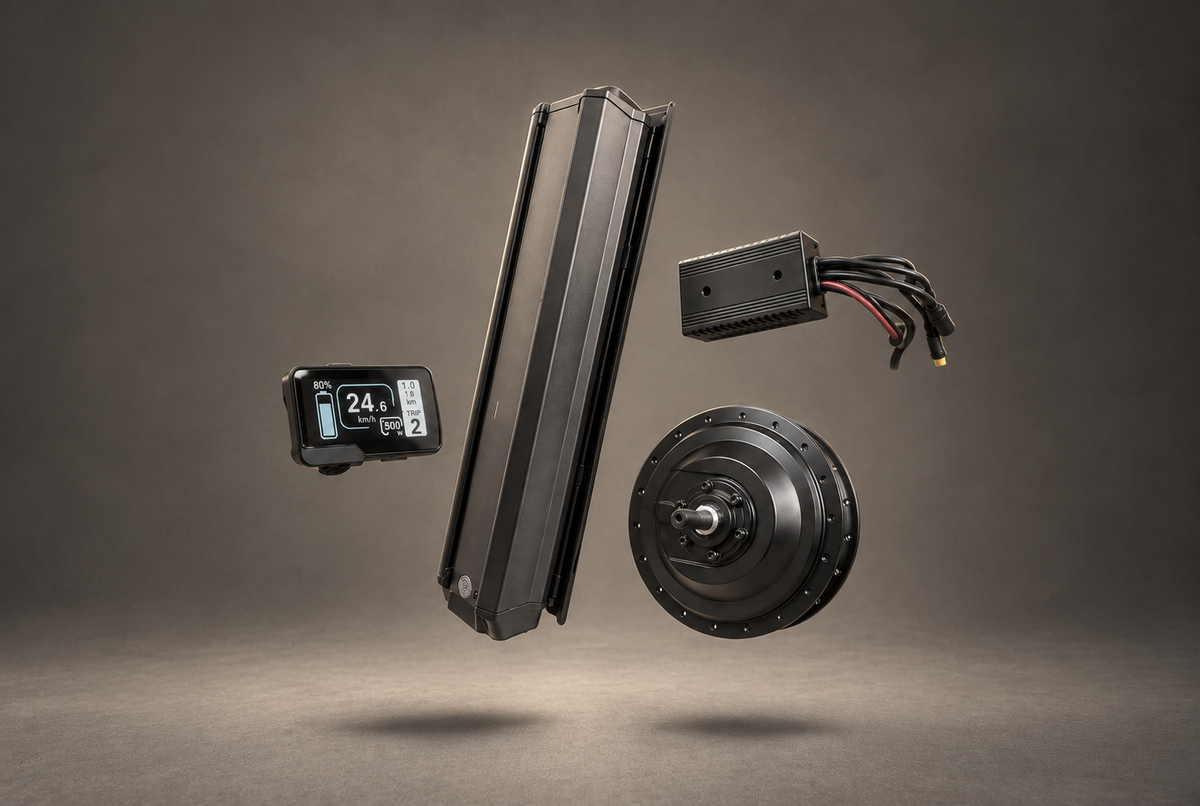
The 50 Series: Common-Core E-Bike Engineering
The evolution from D35/ST35 eventually led to the higher-capability ENVO 50 Series.
Rather than designing D50, ST50 and subsequent models as isolated products, ENVO has increasingly treated the 50 Series as a common-core e-bike system built around shared batteries, motors, controllers, displays, diagnostics, CAN communication and service infrastructure. The platform now supports substantially different vehicle applications while maintaining a common technical foundation.
The M50 Electric Mountain Bike is ENVO's current purpose-built all-mountain project, using full suspension and a mid-drive system where the application specifically benefits from it. The U50 Family & Cargo Bike applies the 50-Series ecosystem to passenger, family and cargo mobility.
ENVO is now developing a new modular e-bike platform beyond these existing systems, representing the next step in moving from shared components toward deliberately modular bicycle architecture.

Experimental Four-Wheel and Adaptive Mobility
Before UPT, ENVO and its collaborators were already exploring small multi-wheel electric vehicles.
An early four-wheel-drive hybrid mobility scooter / pedal vehicle explored individually controlled wheel motors, multiple drive configurations and the combination of human and electric propulsion.
ENVO subsequently developed an e-ATV project around 2021, establishing experience in compact electric all-terrain vehicles before the later UPT platform. The e-ATV concept has since evolved significantly and is now represented within the UPT architecture.
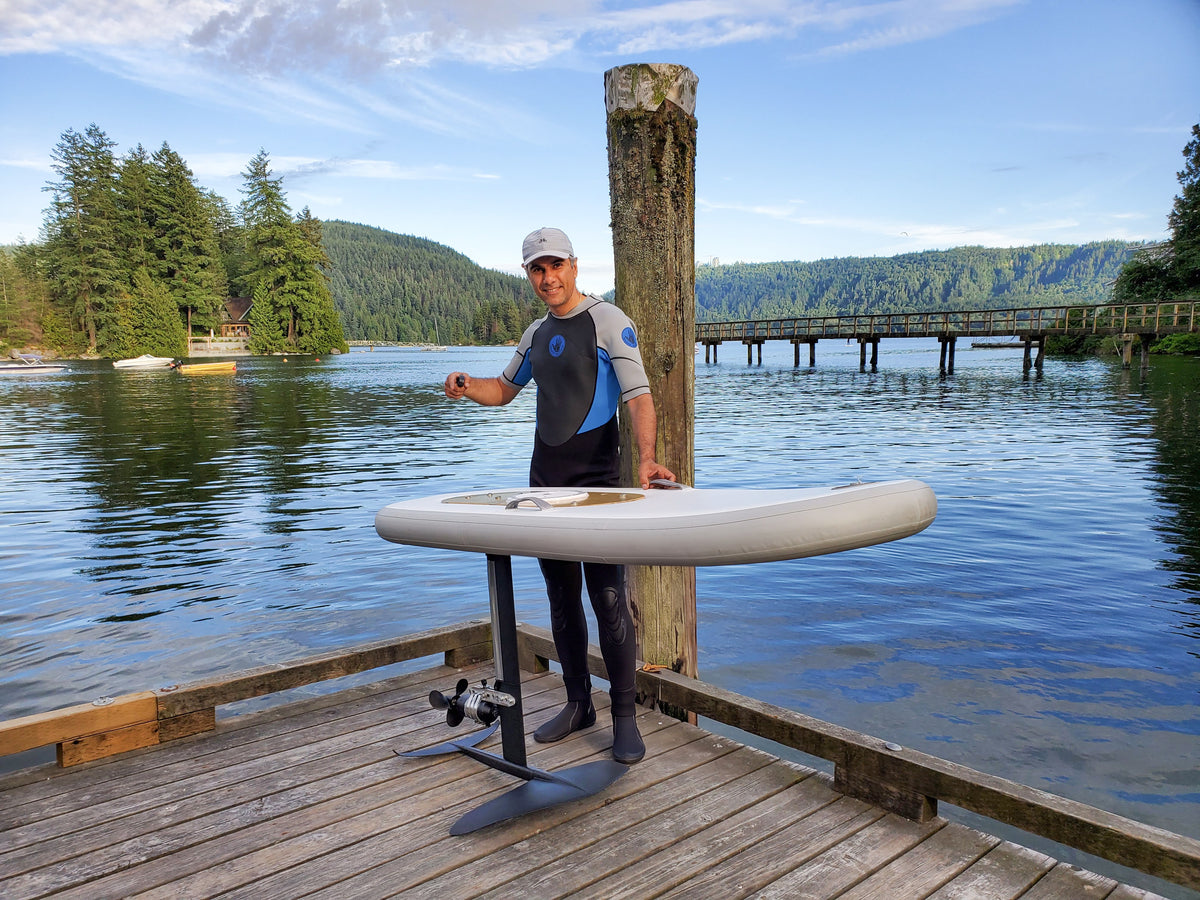
Water Mobility: Surfboard, Hydrofoil Kayak and WaterBike
ENVO's development work has also extended beyond land and snow.
In 2018, the company designed and tested an electric surfboard concept. In 2019, it designed and tested an electric hydrofoil kayak concept. These experiments investigated whether electric bicycle-derived propulsion technologies could be adapted to highly efficient personal watercraft.
The hydrofoil experiments revealed a fundamental issue: improving hydrodynamic efficiency did not automatically produce a practical vehicle if the underlying kayak or surfboard became unstable when lifted onto the foil.
That learning led to the Hydrofoil WaterBike project, where the vehicle itself was designed around stability, human power, electric assistance and hydrofoil efficiency rather than adding propulsion to an existing watercraft.
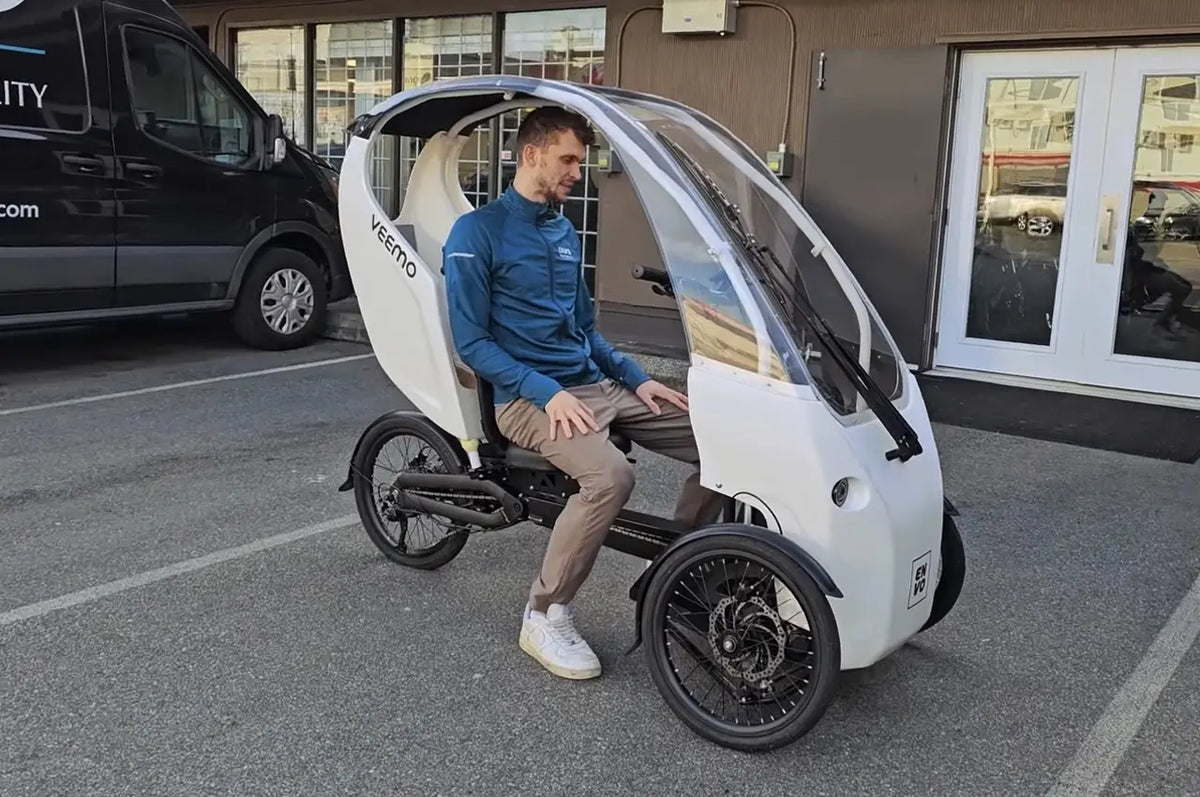
Velomobile Development and VEEMO
ENVO began its own Velomobile project to investigate whether an electric-assist human-powered vehicle could combine bicycle efficiency with weather protection, cargo capability and greater occupant protection.
The design work considered compact dimensions, shipping, body structure, weather sealing, ventilation, recumbent ergonomics and the ability to reuse e-bike components to keep the vehicle serviceable and economically realistic.
That internal work was later complemented by ENVO's acquisition and redevelopment of VEEMO, originally developed by Vancouver-based VeloMetro. VEEMO created a different engineering challenge: rather than developing a vehicle from zero, ENVO inherited an advanced concept that required durability analysis, drivetrain replacement, structural verification, manufacturing improvements and repeated production learning.
Together, the ENVO Velomobile and VEEMO programs represent one of the company's longest investigations into the space between bicycles and automobiles.

UPT: From Product Development to Platform Development
The Utility Personal Transporter (UPT) is the clearest expression yet of ENVO's long-running modular engineering philosophy.
Instead of designing a golf cart, ATV, utility vehicle, microcar, cargo vehicle or industrial transporter independently, UPT asks whether those products can be created from a configurable common chassis, battery, drivetrain, suspension and control architecture.
The first public UPT concept described a four-wheel platform with modular attachments, independent electric drive and the ability to serve multiple personal and commercial applications. The subsequent development program moved through digital simulation, prototype fabrication, real-world testing, chassis iterations, suspension development, motor synchronization, electrical integration and VCU development.
Battery architecture became a separate engineering project in its own right, with ENVO developing the UPT battery pack internally and using physical prototyping to validate packaging and structural concepts.
UPT has now evolved into a family rather than a single vehicle. Current configurations include electric ATVs and e-quads, off-road mobility vehicles, compact side-by-sides, utility vehicles, golf carts, quadricycles, microcars, cargo vehicles, industrial transporters, medical transporters, film-production vehicles, mobile workstations and other application-specific platforms.

Vehicle Control Unit, Traction Control and Control Logic
As UPT has developed, an increasing share of ENVO's R&D has moved from mechanical architecture into vehicle intelligence.
The current UPT Vehicle Control Unit coordinates multiple motors and vehicle functions through a real-time control architecture. Public UPT specifications already describe configurable drive modes, crawl and cruise functions, rear- or all-wheel drive, tank-turn functionality and individually managed traction behaviour.
The ENVO VCU project documents the evolution from distributed motor controllers toward centralized vehicle-level control. The traction-control and vehicle-control-logic project documents how four independently driven wheels are coordinated under changing surface conditions, wheel slip, turning behaviour, drive modes, torque requests and vehicle dynamics.
These are significant ENVO projects in their own right rather than simply UPT features.
Pedal-by-Wire
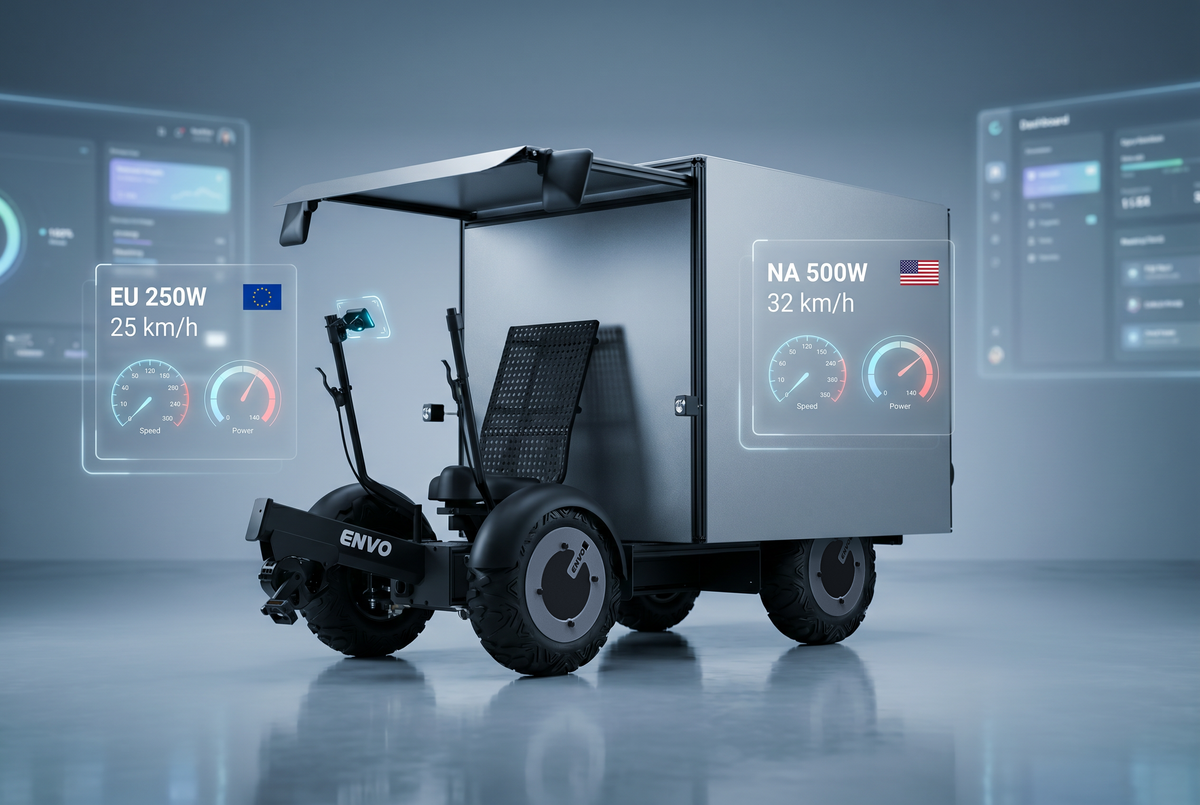
The current pedal-by-wire project extends ENVO's long history of combining human and electric propulsion into a fundamentally different architecture.
Traditional e-bikes mechanically connect the rider's pedals to the driven wheel. A pedal-by-wire architecture can instead measure human input electronically and translate it into a propulsion request through software and electric drive.
This creates new engineering questions around rider feel, control algorithms, energy recovery, cadence and torque interpretation, redundancy, safety, latency and integration with different vehicle architectures.
It also potentially allows pedal-powered regulatory or human-electric vehicle concepts to exist without the packaging restrictions imposed by a conventional chain drivetrain.
ENVO Electric Boat
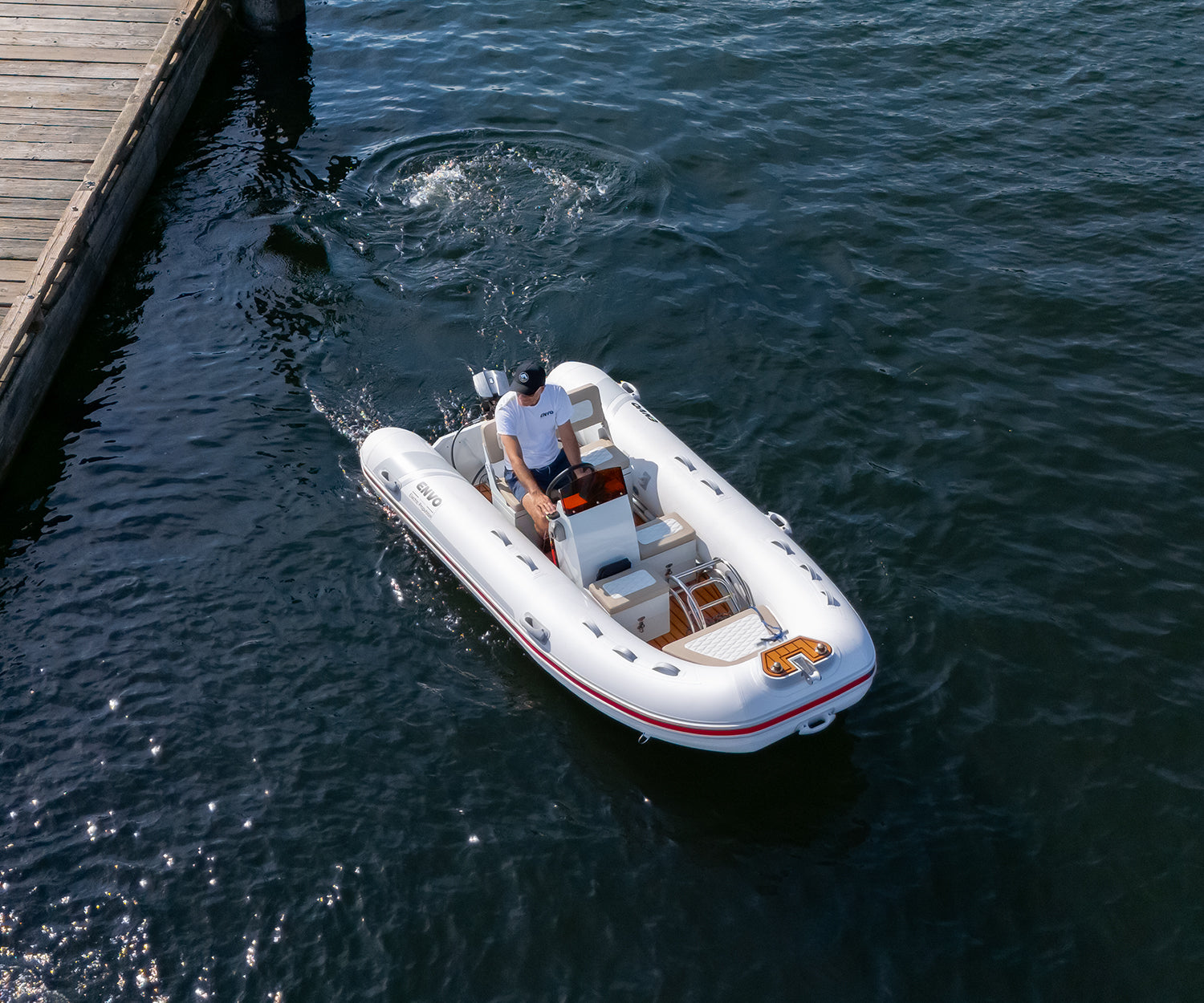
ENVO's newest marine program returns to water mobility with a much more commercially practical objective than the earlier experimental hydrofoil projects.
The ENVO Electric Boat 380 uses an established lightweight aluminum RIB platform while concentrating ENVO's engineering work on the areas where electrification adds technical uncertainty: battery architecture, controls, propulsion integration, system efficiency, safety and serviceability.
The current prototype uses a 48 V architecture and an electric outboard, with ENVO applying modular battery concepts derived from its broader electric-mobility ecosystem.
The project is particularly significant because it represents ENVO moving beyond low-power personal water mobility toward practical recreational electric boating.
Software as an Engineering Product: IoT, Simulation and Configuration
ENVO's development portfolio is increasingly extending beyond physical vehicles.
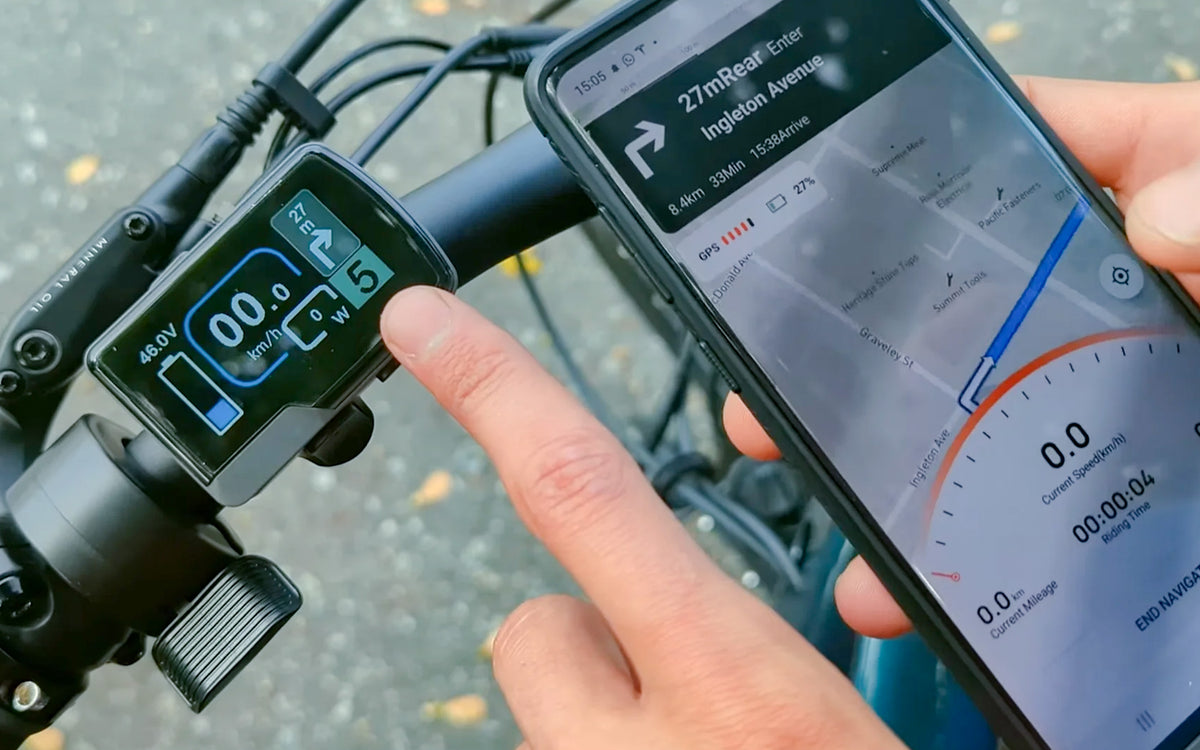
The ENVO IoT project explored connected e-bikes using Bluetooth displays, mobile applications, diagnostics, navigation, vehicle data and potential cloud connectivity. An MVP was developed around a Bluetooth-enabled display and ENVO mobile application.
The ENVO eBike Trip Simulator represents a different type of engineering project. Rather than quoting a fixed laboratory range, the tool models the vehicle against a specific route and operating conditions. The same philosophy now extends into larger vehicles through the UPT / EV Range & Performance Simulator.
These simulator projects matter because range is not a single vehicle specification. It is the result of battery capacity, motor efficiency, speed, terrain, grade, payload, aerodynamics, rolling resistance, temperature, wind and control strategy.
Modular-EV.com: Turning Engineering Modularity into a Digital Product
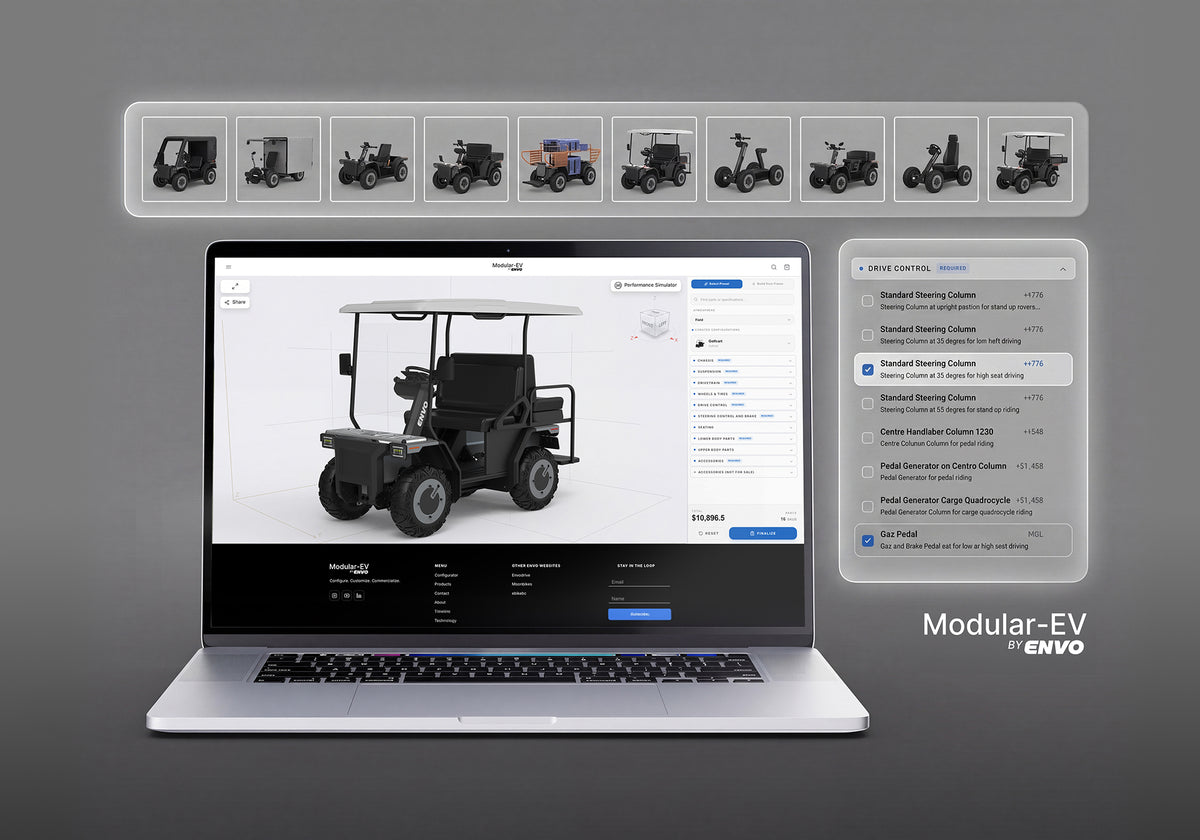
The next logical step after developing a configurable physical vehicle was allowing customers, fleets, dealers and OEMs to configure it themselves. That became Modular-EV.com.
The Modular-EV online configurator translates the UPT platform architecture into a digital environment where users can explore different vehicle families and configurations rather than choosing only from predefined finished vehicles.
The current system exposes a growing portfolio including AT-series all-terrain platforms, ET-series commercial and industrial vehicles, GC recreational configurations, LV low-speed vehicles, QC quadricycles, UP base platforms and UT utility configurations.
This makes the configurator more than an e-commerce project. It is effectively the digital interface to ENVO's modular engineering architecture.
Current ENVO Development Pipeline
As of 2026, the next chapter of ENVO R&D includes several projects that should progressively become part of the public ENVO Projects archive:
- UPT platform development and additional UPT-derived vehicles
- Vehicle Control Unit (VCU)
- Traction control, torque distribution and vehicle-control logic
- Pedal-by-wire system
- M50 all-mountain electric mountain bike
- U50 family and cargo e-bike
- STAX 35-core all-road / mountain-oriented e-bike
- STAX Step-Through
- ENVO Electric Boat
- Next-generation modular e-bike platform
- E-bike range and performance modelling
- UPT / light-EV range and performance simulation
- Modular-EV.com configurator and digital vehicle configuration platform
One Continuous Engineering Story
That continuity is arguably the most important part of the ENVO Projects story. ENVO has not spent its history trying to invent as many unrelated vehicles as possible. It has progressively developed a reusable ecosystem of electric propulsion, energy storage, mechanical platforms, control systems and digital tools that can be recombined around the mobility problem that needs to be solved.