


What Makes a Great Utility and Cargo Ebike?
A great utility ebike or cargo ebike does not just carry things - it replaces a vehicle. The best cargo ebikes transform everyday tasks like grocery runs, deliveries, and equipment transport into seamless, emission-free operations that cost a fraction of running a car or van. Here is what separates a true utility electric vehicle from a regular ebike with a basket:
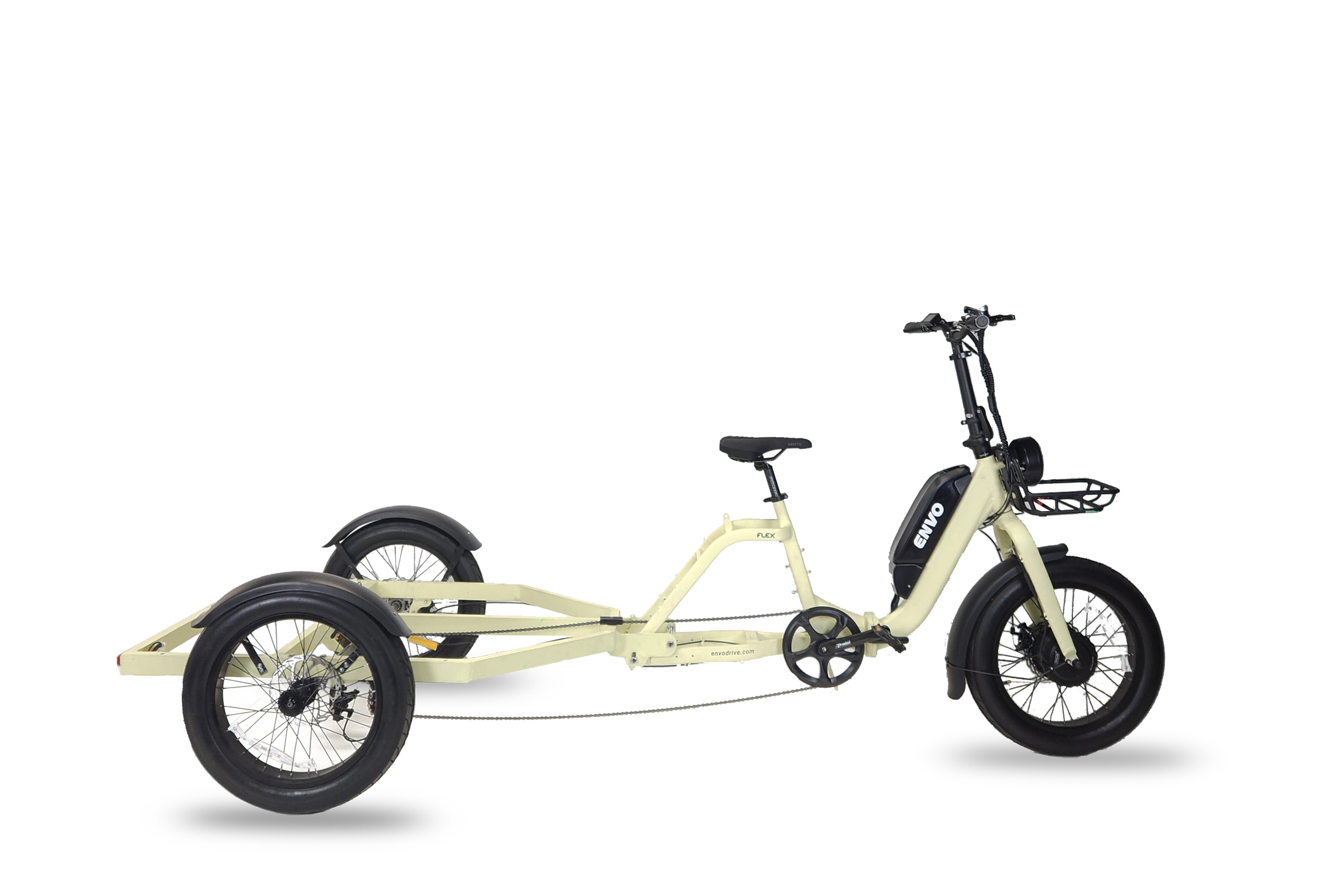
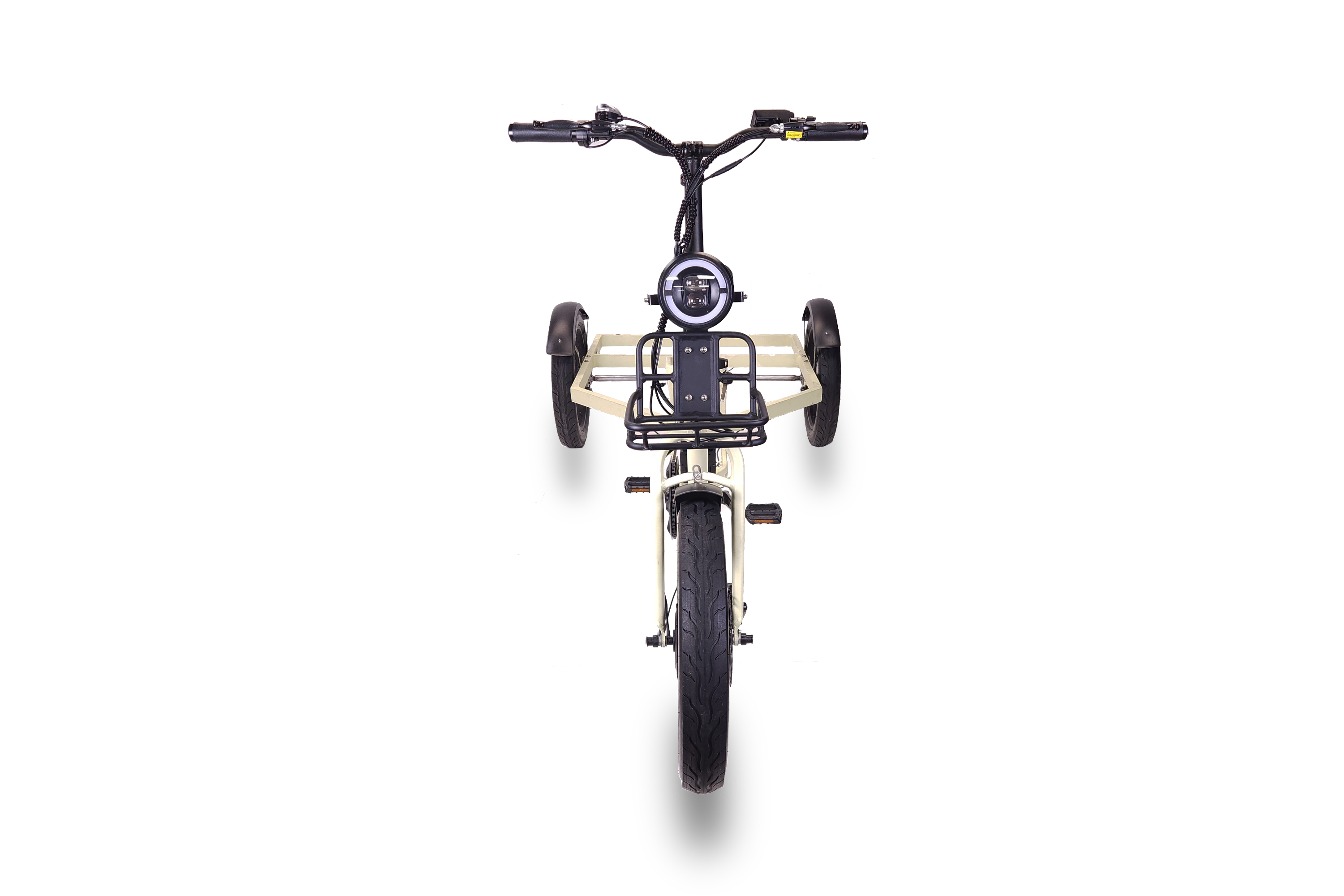
Payload capacity of 100 to 500+ kg separates serious utility vehicles from recreational bikes. Whether you are carrying 40 kg of groceries, a full day of contractor equipment, or multiple passengers, the platform needs to be rated for the load. Stable multi-wheel design is critical when carrying cargo - three and four wheel configurations eliminate the balance challenge of a loaded two-wheel bike. Low step-over height makes frequent loading and unloading fast and safe. Long battery range under load ensures you complete your errands and deliveries without running out of power mid-route. From the ENVO Flex Trike to the multi-passenger UPT platform, ENVO builds utility electric vehicles that genuinely work hard.


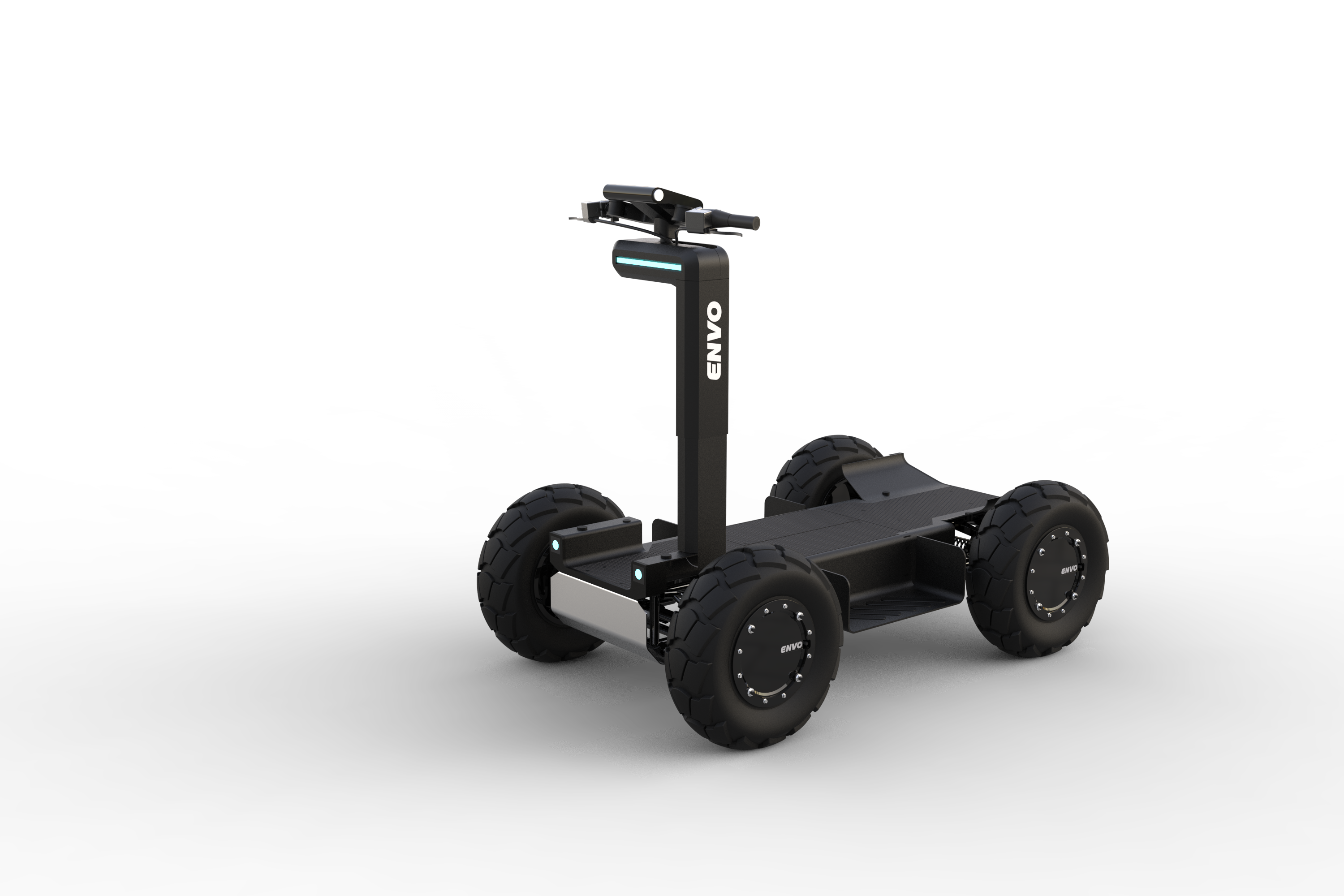
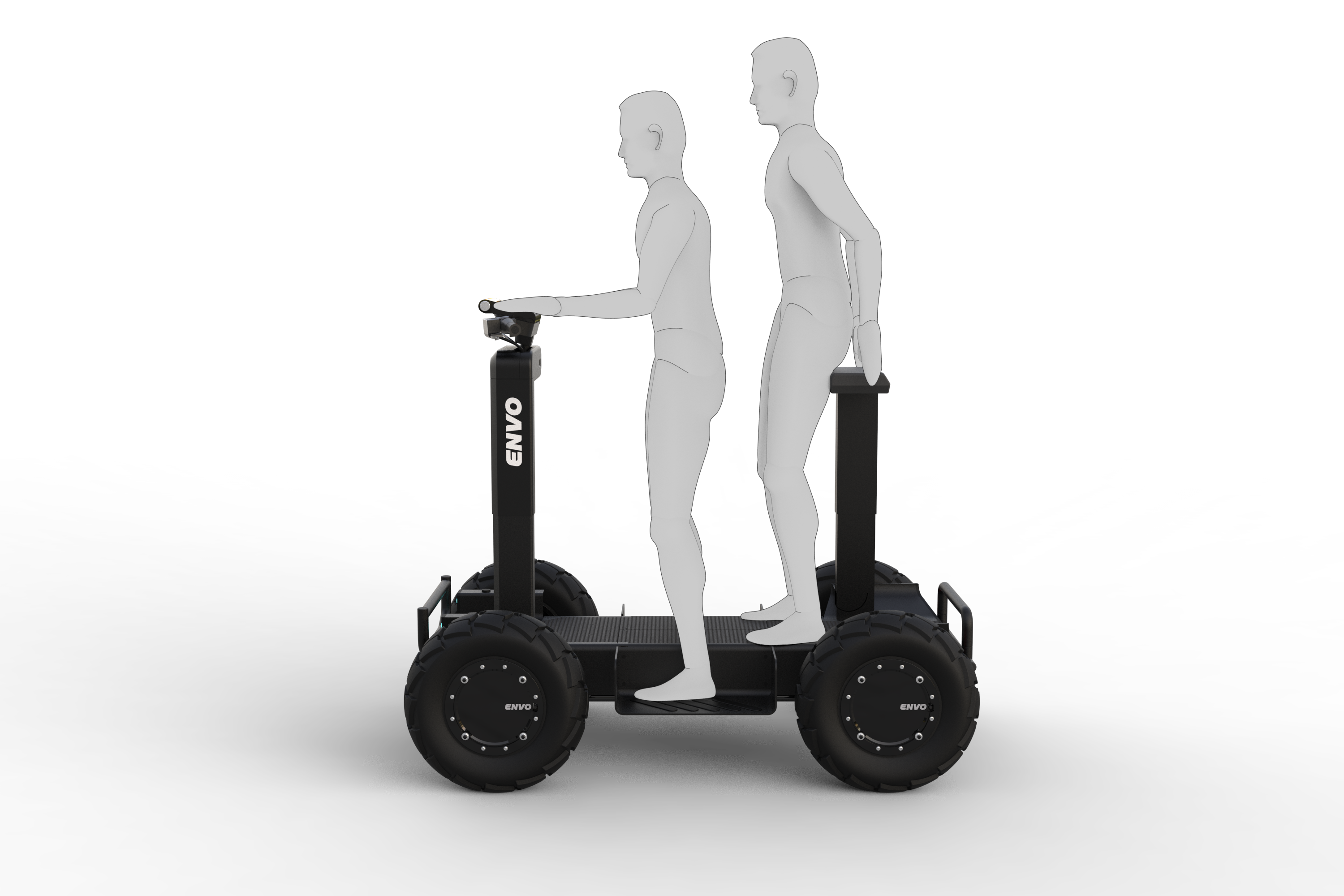
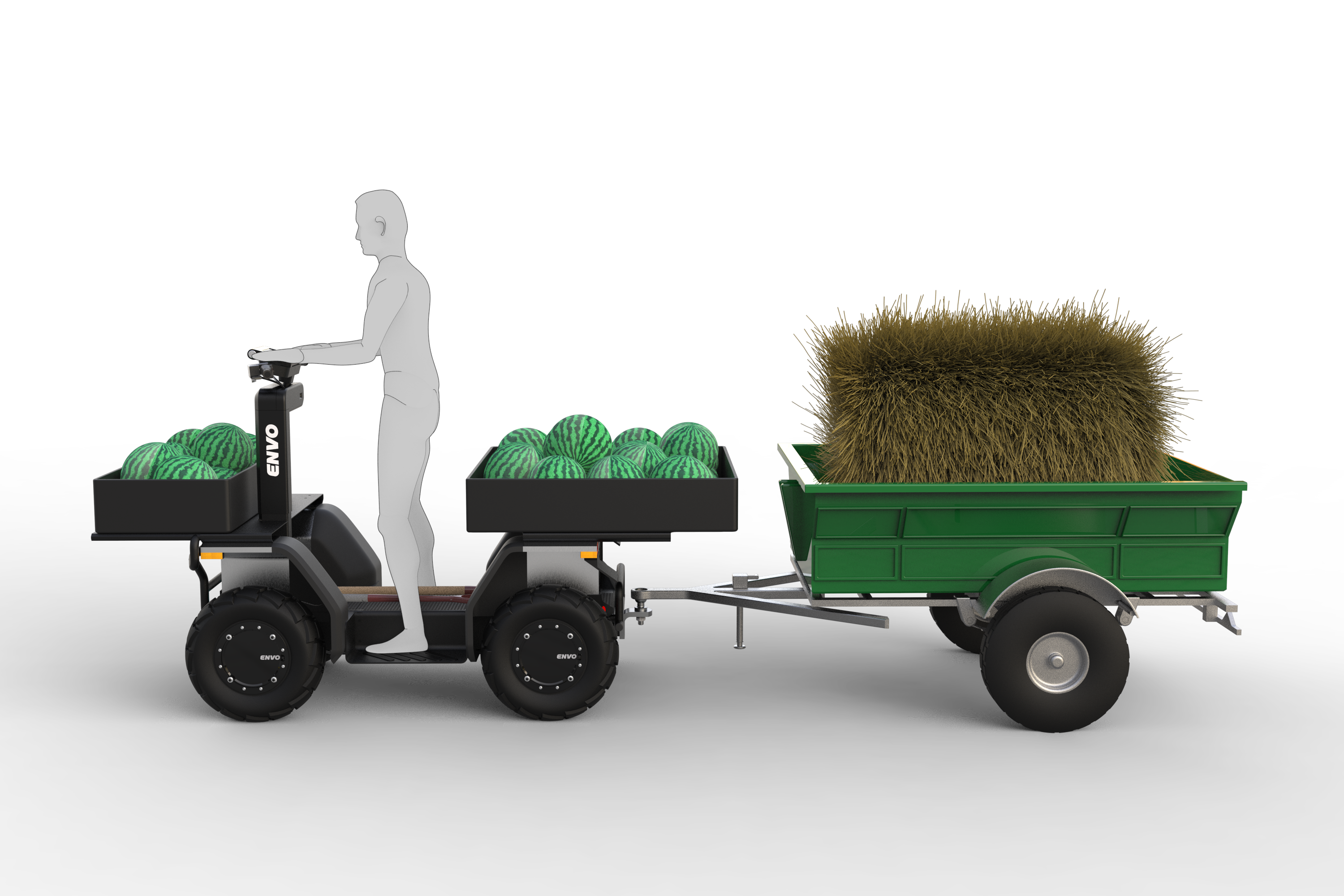
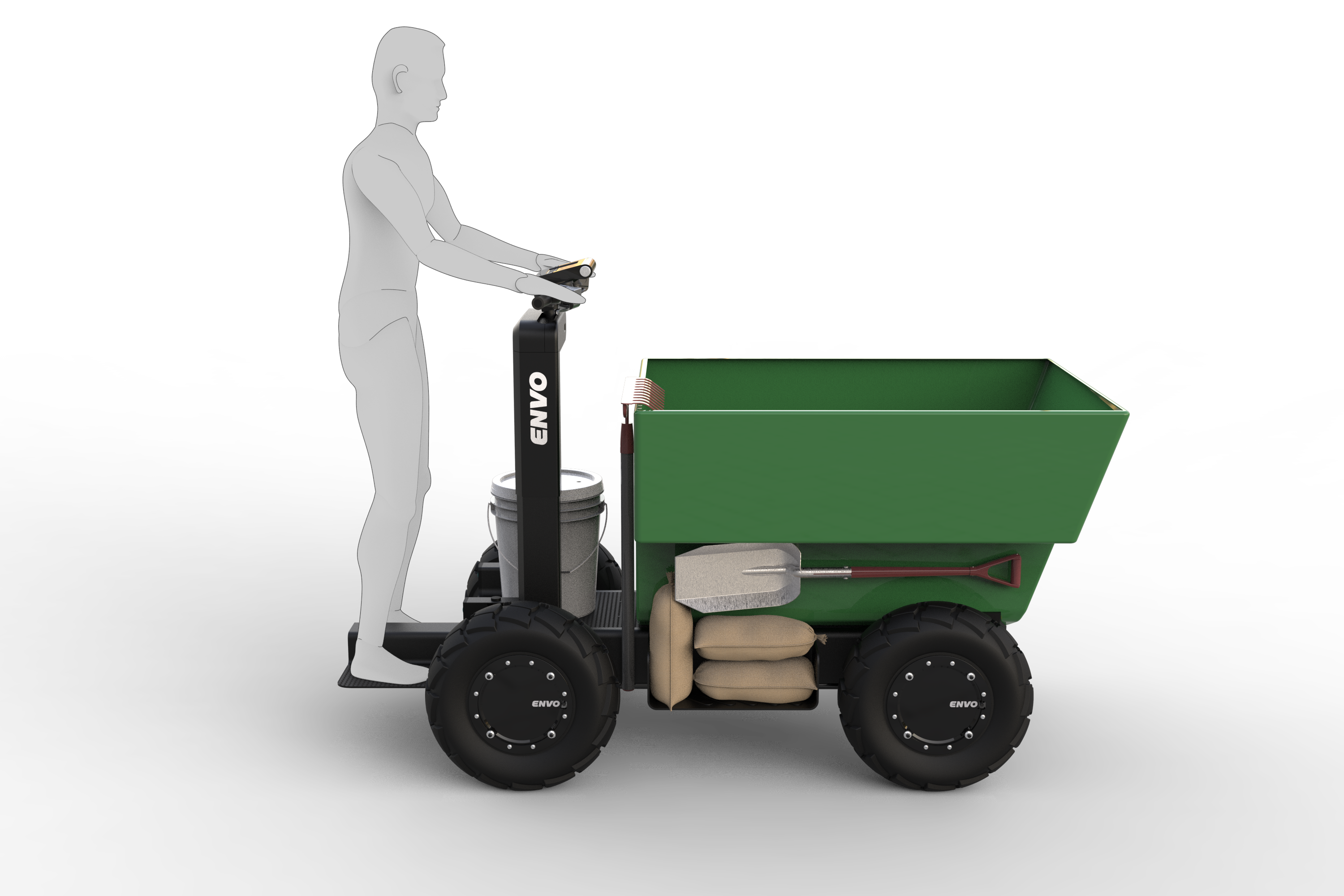
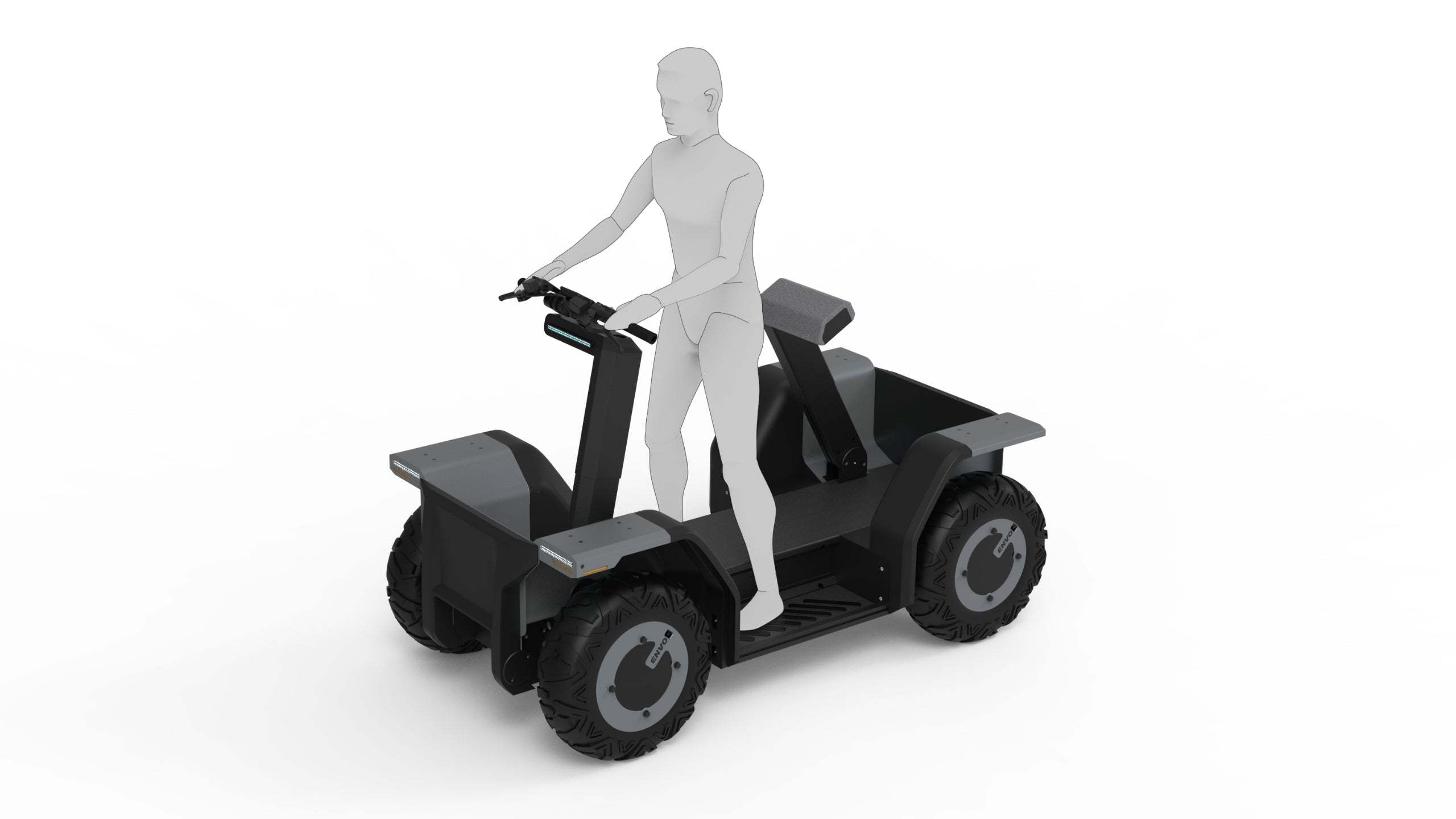
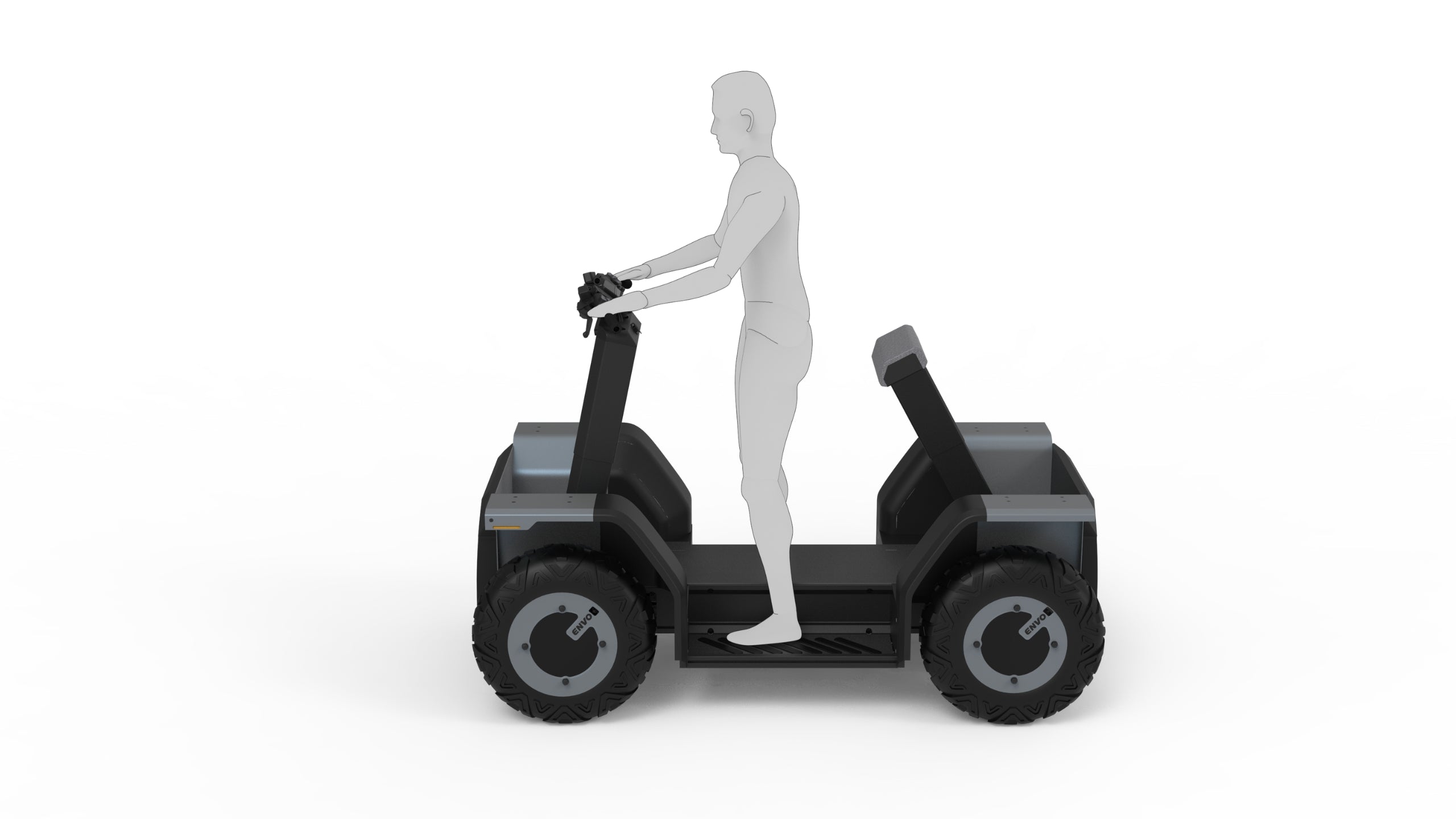
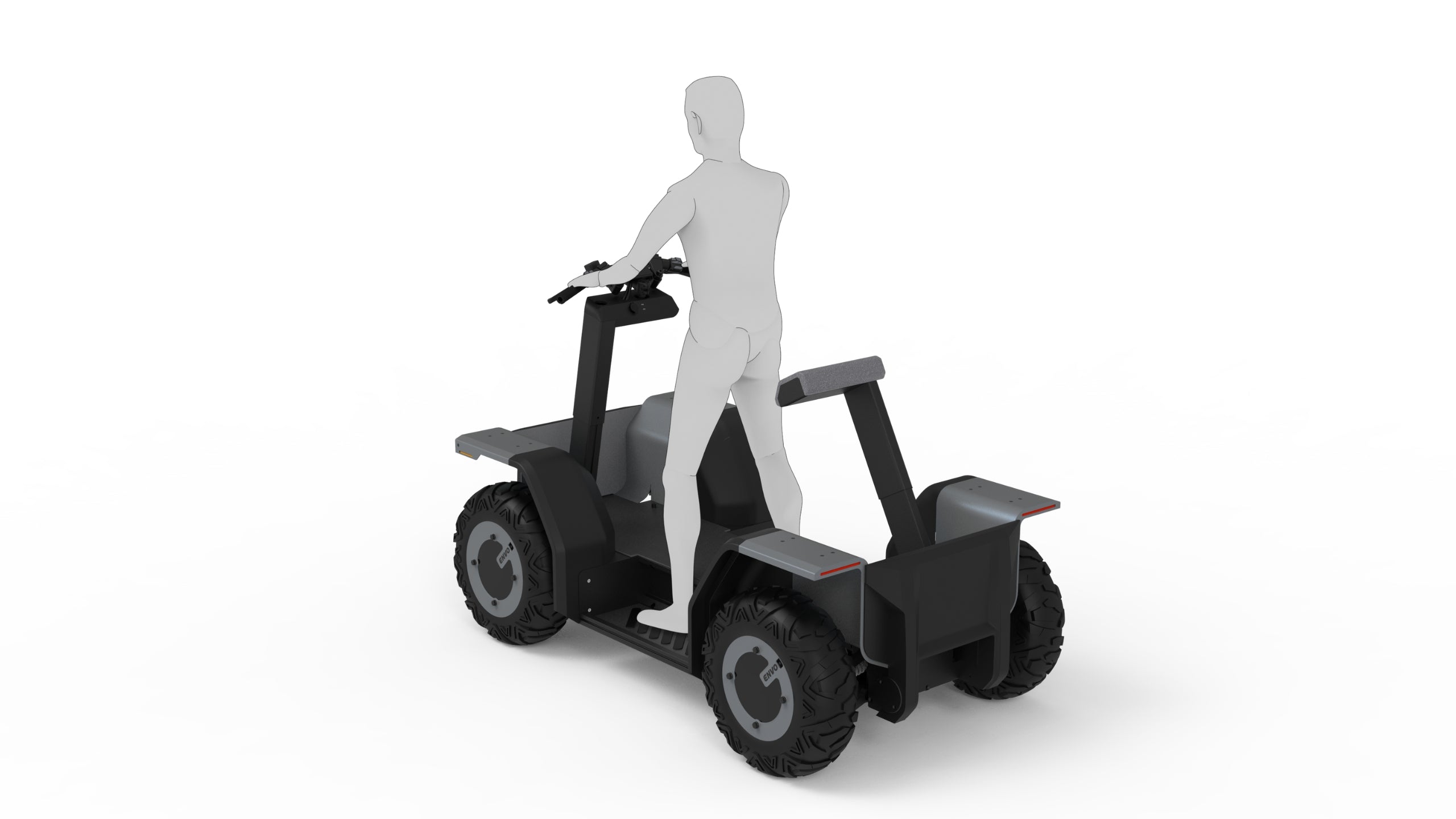
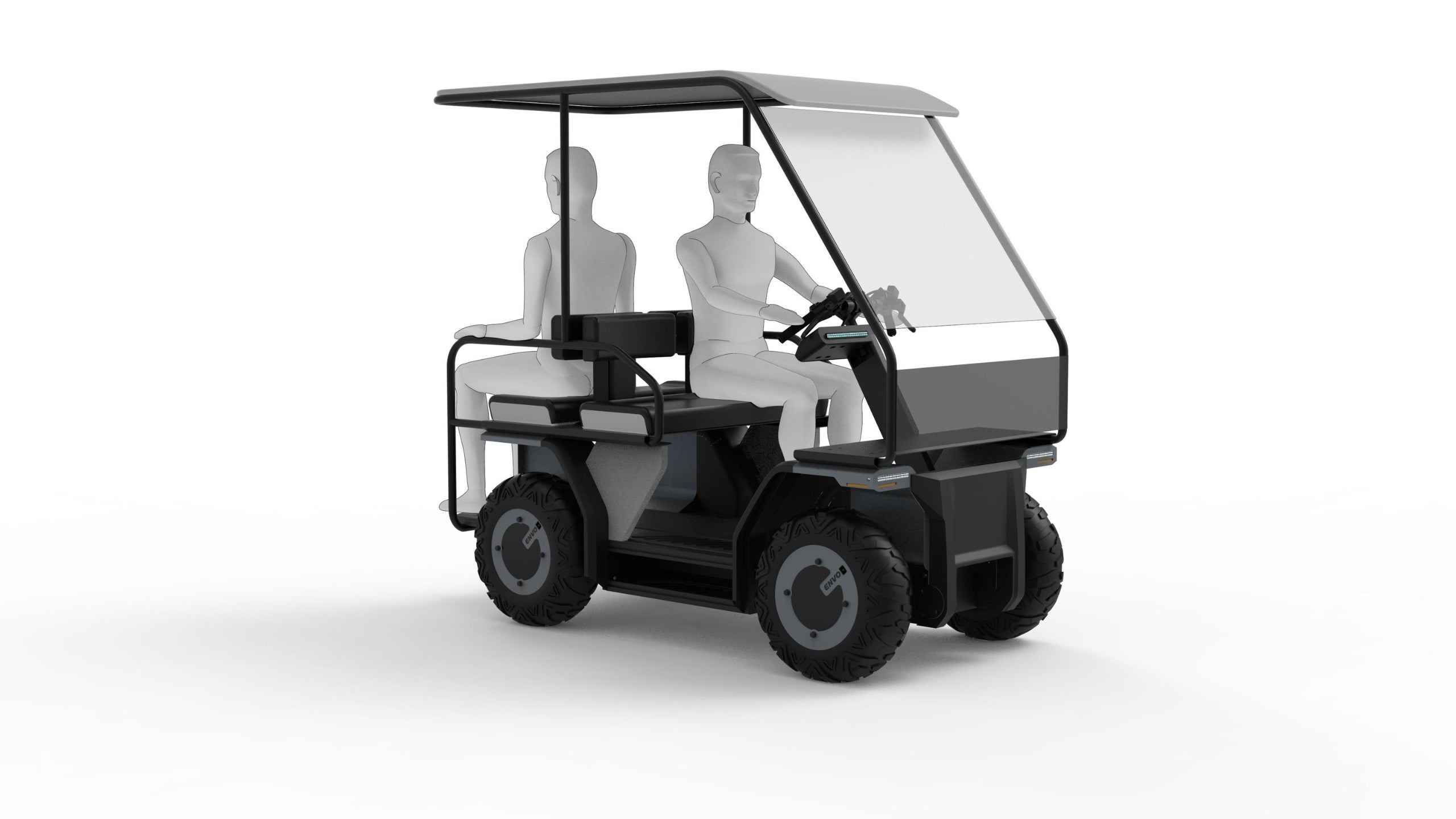
Why Choose an ENVO Utility or Cargo Ebike
Replace Your Car
The average car trip in Canada is under 10 km. ENVO utility and cargo ebikes cover that distance effortlessly, at a fraction of the operating cost, with zero direct emissions. Replace your second car, your delivery van, or your golf cart with a purpose-built electric utility vehicle that pays for itself in fuel and parking savings within months.
Built to Carry
Payload capacity, cargo platform size, and structural integrity are engineered into every ENVO utility vehicle. The Flex Trike, Cargo Trike, and UPT platforms are built to carry real loads day in and day out - not just a backpack and a water bottle. Wide cargo platforms, integrated cargo solutions, and stable multi-wheel designs make serious cargo use practical and safe.
Versatile Platforms
ENVO utility electric vehicles serve a remarkable range of applications: last-mile delivery, campus transport, golf and resort use, agricultural and farm work, property maintenance, and commercial logistics. One platform can serve multiple roles. The UPT in particular is purpose-built to replace gas golf carts and neighbourhood utility vehicles across commercial and recreational settings.
The ENVO Utility and Cargo Electric Vehicle Lineup
ENVO's utility lineup covers the full spectrum of cargo and transport needs:
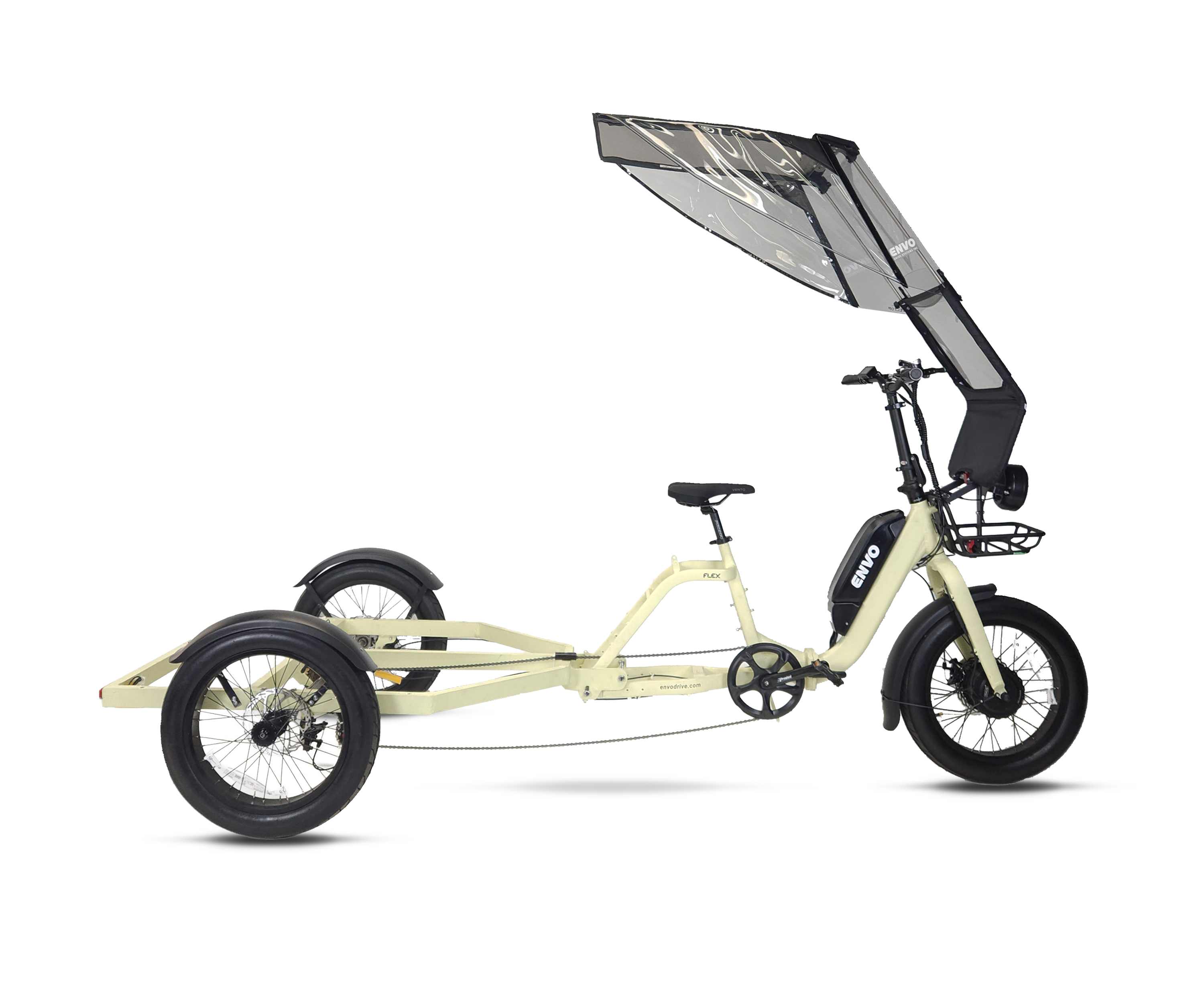
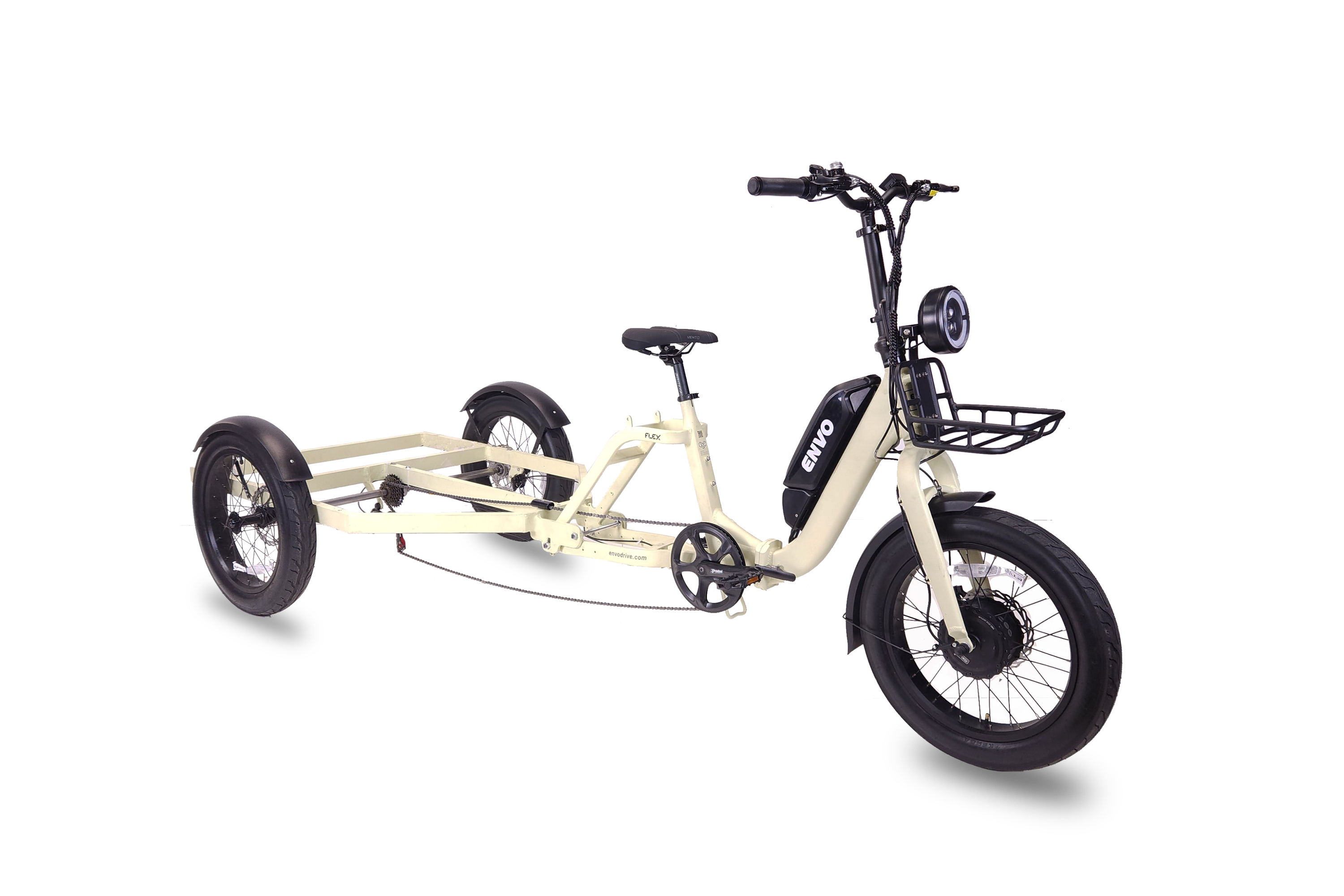
Three-Wheel Cargo Trikes: The ENVO Flex Trike is a fat-tire electric trike with a rear cargo platform capable of carrying substantial loads while remaining nimble enough for bike lanes and narrow paths. The ENVO Cargo Trike is purpose-built for heavier commercial cargo use with a reinforced rear platform and optimised load distribution.
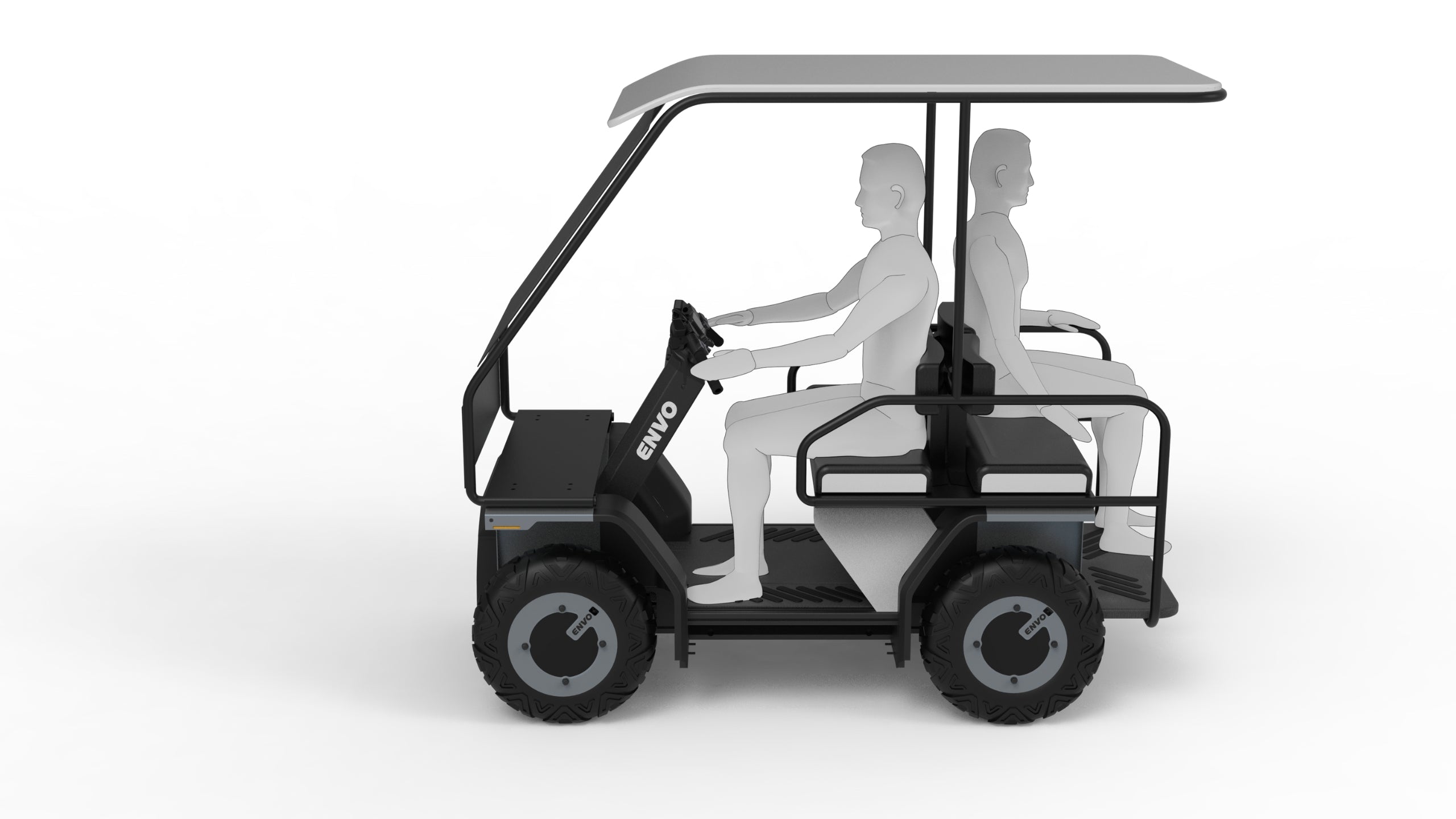
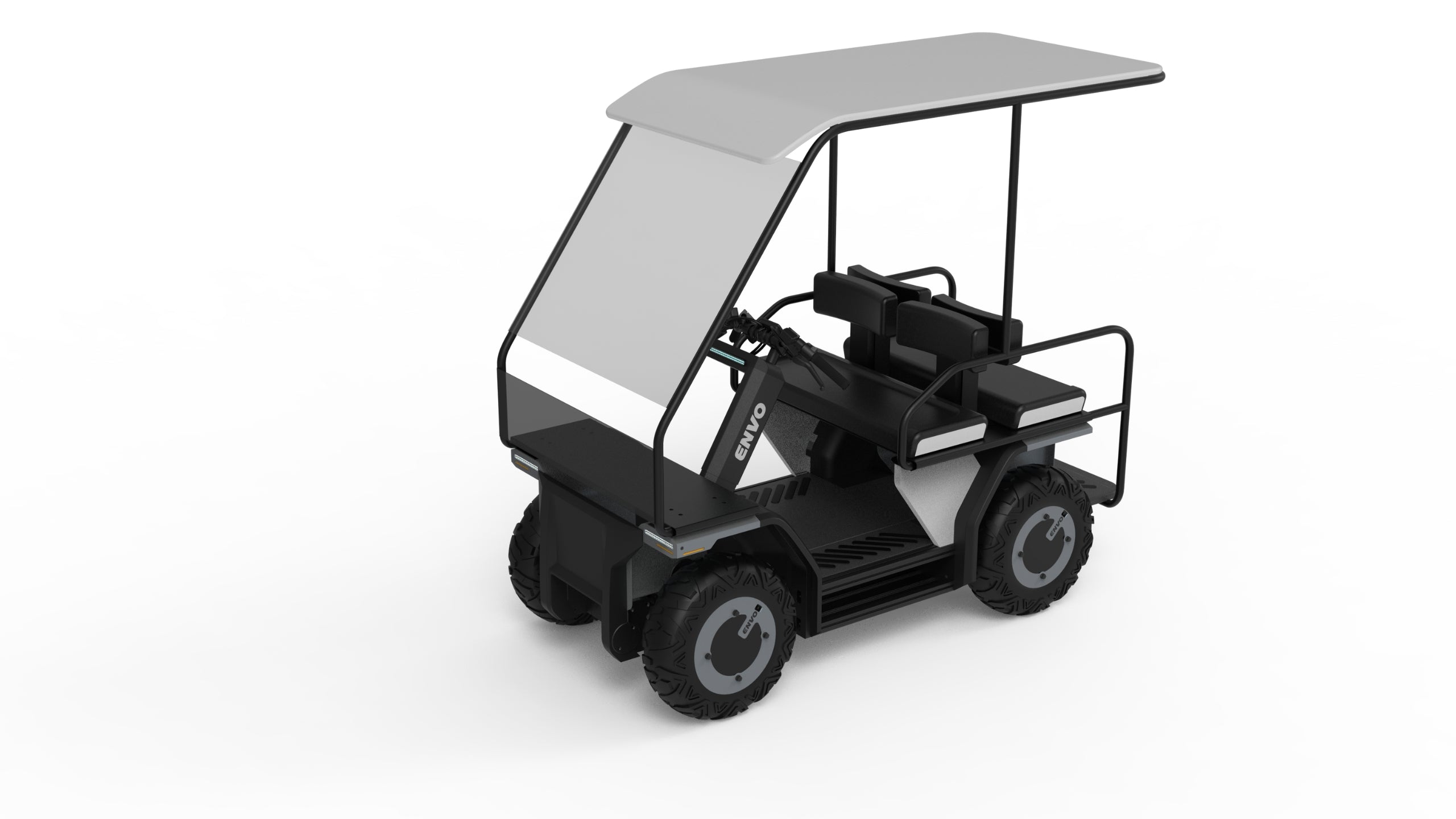
Multi-Passenger Utility Vehicles: The ENVO UPT (Utility Personal Transport) platform is ENVO's answer to the golf cart and neighbourhood electric vehicle category. Available in multiple configurations, the UPT carries passengers and cargo across campuses, resorts, farms, and gated communities. Street-legal where regulations permit, the UPT is the most capable utility vehicle in the lineup.
Electric All-Terrain Vehicle: The ENVO e-ATV brings electric utility to off-road and agricultural applications where a conventional cargo ebike cannot operate. Designed for rugged terrain, the e-ATV handles farm tracks, construction sites, and off-road property work that demands four-wheel traction and serious ground clearance.
Utility and Cargo Ebike FAQ
Regulatory
Street legality and classification for utility and cargo electric vehicles in Canada.
Is the ENVO Cargo Trike or Flex Trike street legal in Canada?
The ENVO Flex Trike and Cargo Trike are classified as power-assisted bicycles or limited-speed motor-assisted cycles depending on motor output and configuration. In this classification, they do not require registration, insurance, or a licence in most provinces. They can be ridden on roads and in bike lanes where bicycles are permitted. Always verify provincial regulations as rules vary, and some municipalities have specific rules for cargo tricycles in commercial applications.
What classification is the ENVO UPT under?
The ENVO UPT is a low-speed electric vehicle (LSEV) or neighbourhood electric vehicle (NEV) depending on configuration. Classification varies by province and use case. On private property (campuses, resorts, golf courses, farms), the UPT requires no registration or licence. On public roads, classification and requirements depend on speed rating and provincial regulations. Contact ENVO for guidance specific to your intended UPT application.
Do I need a commercial licence to operate a cargo ebike for deliveries?
No commercial vehicle licence is required to operate a cargo ebike or cargo trike classified as a PAB or LSEV for delivery purposes. This makes cargo ebikes an attractive option for last-mile delivery businesses looking to reduce costs and regulatory burden compared to operating motorised delivery vehicles. Local business licensing and bylaws for commercial cycling may apply depending on your municipality.
Can the ENVO e-ATV be used on public roads?
The e-ATV is primarily designed for off-road and private property use. Road legality for ATVs varies significantly by province and municipality - some allow registered ATVs on certain roads, others do not. For on-road utility applications, the UPT platform is the appropriate ENVO vehicle. Contact ENVO to discuss the specific intended use case and applicable regulations in your area.
Technical
Payload, range, battery, and performance specs for utility electric vehicles.
How much weight can a cargo ebike or trike carry?
The ENVO Flex Trike and Cargo Trike are rated for rider plus cargo loads of 150 to 250 kg depending on configuration. The UPT platforms support 400 to 600 kg total payload depending on the specific model. Always adhere to the rated payload limit - overloading affects braking distance, handling stability, and component longevity. Contact ENVO for precise payload ratings for the specific model you are considering.
How does range change when carrying heavy cargo?
Carrying heavy cargo increases energy consumption proportionally to the added weight and any terrain involved. A fully loaded cargo trike carrying 100 kg of goods may see 20 to 35% range reduction compared to riding unloaded on flat ground. For delivery or commercial applications, planning routes around charging opportunities and using pedal-assist to supplement motor power on heavy load days extends effective range significantly.
How do I charge the battery on a cargo ebike mid-day?
ENVO utility vehicle batteries are removable and can be charged from any standard 120V household outlet. For commercial operations, having a spare battery that can be hot-swapped during a shift effectively doubles your working range. Charging a depleted battery takes 4 to 6 hours on a standard charger. Some UPT configurations support on-board charging directly from a power outlet without removing the battery.
What accessories are available for cargo ebike applications?
ENVO cargo platforms support a wide range of accessories including pannier bags, waterproof cargo boxes, cargo nets, bungee systems, and custom cargo bed extensions. For commercial delivery applications, lockable cargo boxes and branded wraps are available. The UPT supports accessory roofs, windscreens, and specialty cargo configurations for specific commercial use cases. Contact ENVO for accessory options for your specific model.
Use Cases
Which utility electric vehicle fits your specific cargo or transport application?
Which ENVO vehicle is best for grocery and errand runs?
The ENVO Flex Trike with pannier bags is the best choice for grocery and errand runs. Its three-wheel stability means you never worry about balance with a heavy load, and its fat tyres handle the mixed pavement and kerb-hopping of urban errands. The cargo platform accommodates multiple grocery bags or a large cargo box. For riders who want two-wheel portability with cargo capability, the ENVO D50 or ST50 with a rear pannier rack also works well for moderate loads.
Can the ENVO UPT replace a golf cart at a resort or golf course?
Yes - this is one of the primary design applications for the ENVO UPT. It matches golf cart functionality for passenger transport and light cargo on flat to moderate terrain, with zero direct emissions, lower operating costs, and quieter operation than gas alternatives. Battery range covers a full operational day on a single charge for most resort applications. The UPT is already in use across golf courses, resorts, and campus environments as a direct golf cart replacement.
Is a cargo ebike or cargo trike suitable for small business deliveries?
Yes. Cargo ebikes and trikes are increasingly used for last-mile delivery in Canadian cities. They access bike lanes (no traffic delays), require no parking fees, cost a fraction of van operation per kilometre, and create a positive brand impression as a zero-emission delivery vehicle. For businesses delivering packages, food, or goods within a 15 to 20 km radius in urban areas, a cargo trike often outperforms a delivery van on door-to-door time while dramatically reducing costs.
Can the ENVO e-ATV be used for farm or agricultural applications?
Yes. The ENVO e-ATV is well-suited to farm and agricultural applications including moving equipment and supplies between buildings, checking fences and irrigation, and light haulage across fields and farm tracks. Its electric drivetrain eliminates fuel costs and provides quieter operation that reduces stress on animals. Off-road traction and ground clearance suit the uneven terrain of most agricultural properties.
Product Comparisons
Comparing ENVO utility and cargo electric vehicles.
Flex Trike vs Cargo Trike - what is the difference?
The Flex Trike is the versatile recreational and utility three-wheel ebike, equally at home on trails and city streets, with moderate cargo capacity. The Cargo Trike is purpose-built for heavy-duty cargo applications with a reinforced rear platform, higher payload rating, and a design optimised for repeated commercial loading and unloading. If you primarily need a fun, versatile ebike that can also carry things, the Flex Trike is right. If cargo transport is your primary use case, the Cargo Trike is the better investment.
Cargo ebike vs cargo van for urban deliveries - how do they compare?
For deliveries within a 15 to 20 km radius in dense urban areas, a cargo ebike outperforms a van on door-to-door delivery time (bike lanes, no parking search, direct access to building entrances), operating cost (electricity vs fuel, no parking fees, no vehicle tax), and environmental impact. The van wins on total carrying capacity and ability to cover longer distances in a single run. Many businesses are switching to a hybrid fleet: cargo ebike for urban last-mile, van for longer hauls.
ENVO UPT vs a gas golf cart - is the electric version worth it?
For most commercial and resort applications, yes. The ENVO UPT has lower fuel costs (electricity vs gasoline), lower maintenance costs (no oil changes, simpler drivetrain), quieter operation, and zero direct emissions. The upfront cost is comparable to a quality gas golf cart. Over a 5-year operating period, the total cost of ownership for the UPT is typically lower. For indoor use (arenas, warehouses), electric operation is not just preferable - it is often required for air quality reasons.
Safety
Safe operation of cargo ebikes and utility electric vehicles.
How do I safely load and unload a cargo trike?
Always load cargo symmetrically to avoid side-to-side imbalance. Secure loads with cargo nets, bungee cords, or straps before moving. Keep heavy items low and centred over the rear axle. Do not exceed the rated payload. When loading on a slope, engage the parking brake or place the vehicle in a stable position before adding or removing cargo. For the Flex Trike and Cargo Trike, the low step-over design means you can load from a standing position without awkward reaching.
Does carrying heavy cargo affect braking distance?
Yes. A fully loaded cargo ebike or trike has significantly more momentum than an unloaded one, and braking distance increases accordingly. When carrying heavy cargo, increase your following distance, reduce speed in advance of stops, and avoid emergency braking where possible. ENVO utility vehicles use hydraulic disc brakes which provide the strongest and most consistent stopping power available - critical for loaded cargo applications. Inspect brake pads more frequently under heavy commercial use.


