What Makes a Great Light Electric Snowmobile?
A great light electric snowmobile delivers the thrill of winter riding without the noise, fumes, and mechanical complexity of a gasoline engine. As the only major source of winter motorised recreation that produces zero direct emissions, light electric snowmobiles are transforming how Canadians experience the backcountry in winter. Here is what defines the best in the category:
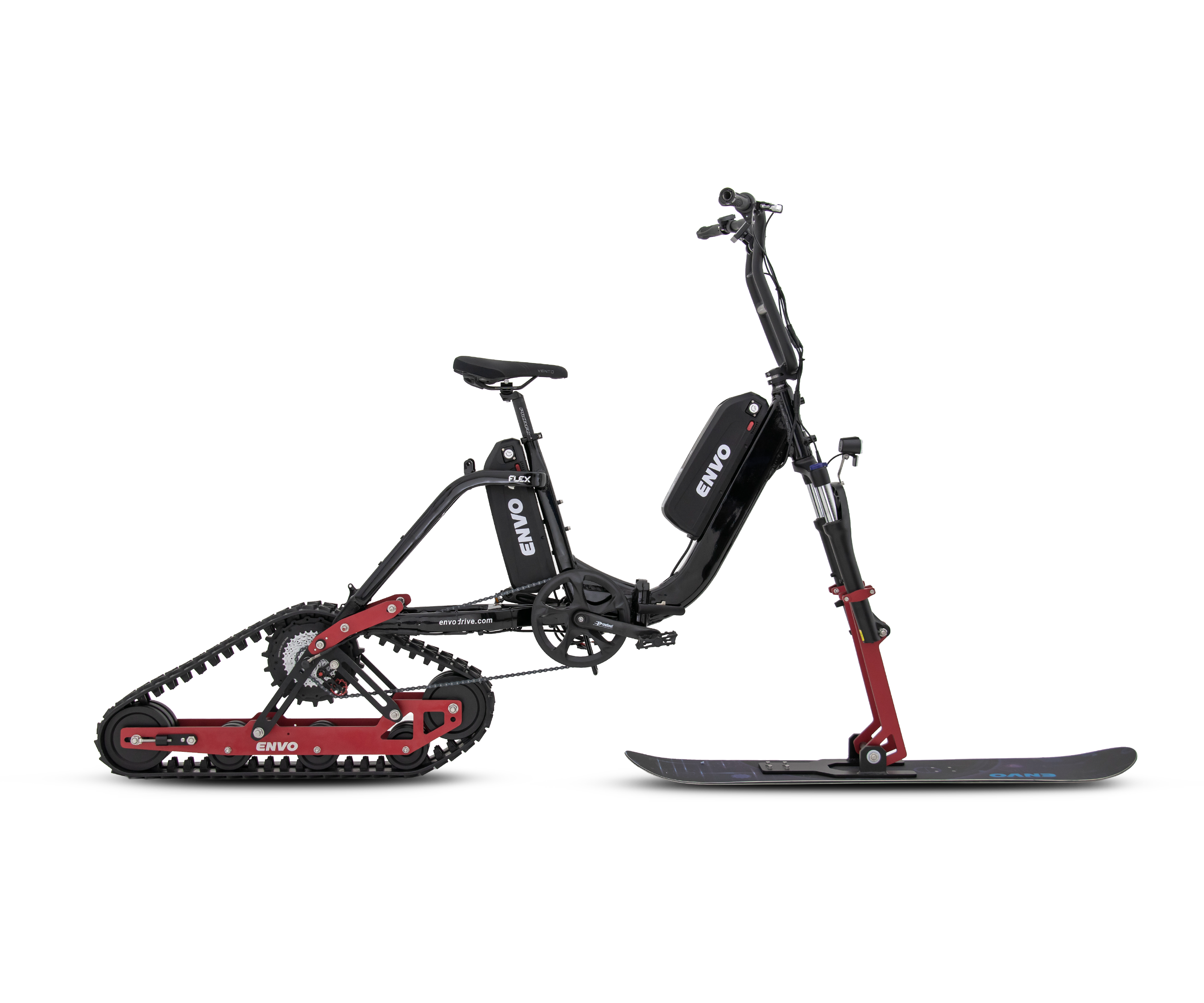
Cold-weather battery performance is the defining technical challenge of electric snowmobiles. A battery that loses 30% range at 0 degrees Celsius is a safety risk in the backcountry. The best electric snow vehicles use thermal management systems and cold-optimised battery chemistry to maintain reliable range even at -20 degrees Celsius. Track and ski geometry purpose-built for snow determines how the vehicle behaves on groomed trails versus deep powder versus icy hardpack. A track that performs in one condition but not others limits where you can ride. Lightweight construction is critical - a light electric snowmobile that weighs 40 to 80 kg is trailerable, manageable by one person, and has a smaller impact on groomed trail surfaces than a 300 kg gas snowmobile. ENVO's snow lineup - the Electric SnowKart, Flex Snowbike, and Moonbike - plus the ENVO conversion kits represent Canada's most complete range of light electric winter recreation vehicles.


Why Choose a Light Electric Snowmobile
Zero Emissions in the Backcountry
Gas snowmobiles produce significant exhaust emissions directly in the pristine winter environments where they operate. Light electric snowmobiles produce zero direct emissions - meaning no exhaust in the mountain air, no fuel spills on snow, and no noise pollution disturbing wildlife and other backcountry users. Electric winter recreation is not just better for the planet - it is better for the places you are riding in.
Innovative Winter Technology
ENVO and Moonbike are purpose-built electric winter vehicles, not adapted gas platforms. Track geometry, motor placement, battery thermal management, and weight distribution are designed from scratch for electric winter use. The result is vehicles that are quieter, simpler, and more responsive than their gas equivalents - representing a genuine technological leap in winter recreation.
Lightweight and Accessible
Light electric snowmobiles weigh 30 to 80 kg - a fraction of a full-size gas snowmobile. This makes them trailerable with a small hitch, loadable into a truck bed by two people, storable in a garage without a dedicated vehicle space, and gentler on groomed trail surfaces. Lower weight also improves handling agility and makes recovery from getting stuck far easier than with heavy gas machines.
The ENVO Electric Snow Vehicle Lineup
ENVO offers the most complete range of light electric winter recreation vehicles available in Canada:
ENVO Electric SnowKart: The SnowKart delivers a unique sit-down kart-style snow riding experience. Powered by a purpose-built electric drivetrain with a rear track and front skis, the SnowKart is ideal for open fields, frozen lakes, groomed trails, and resort-adjacent recreation. Its low centre of gravity and intuitive controls make it the most accessible vehicle in the lineup for new riders and younger family members.
ENVO Flex Snowbike: The Flex Snowbike converts the ENVO Flex platform into a track-driven snow vehicle with front ski steering. Its standing/seated riding position and snowmobile-style track provide a more traditional backcountry snowmobile experience in a lightweight, electric package. The Flex Snowbike performs in varied snow conditions from groomed trails to moderate off-trail terrain.
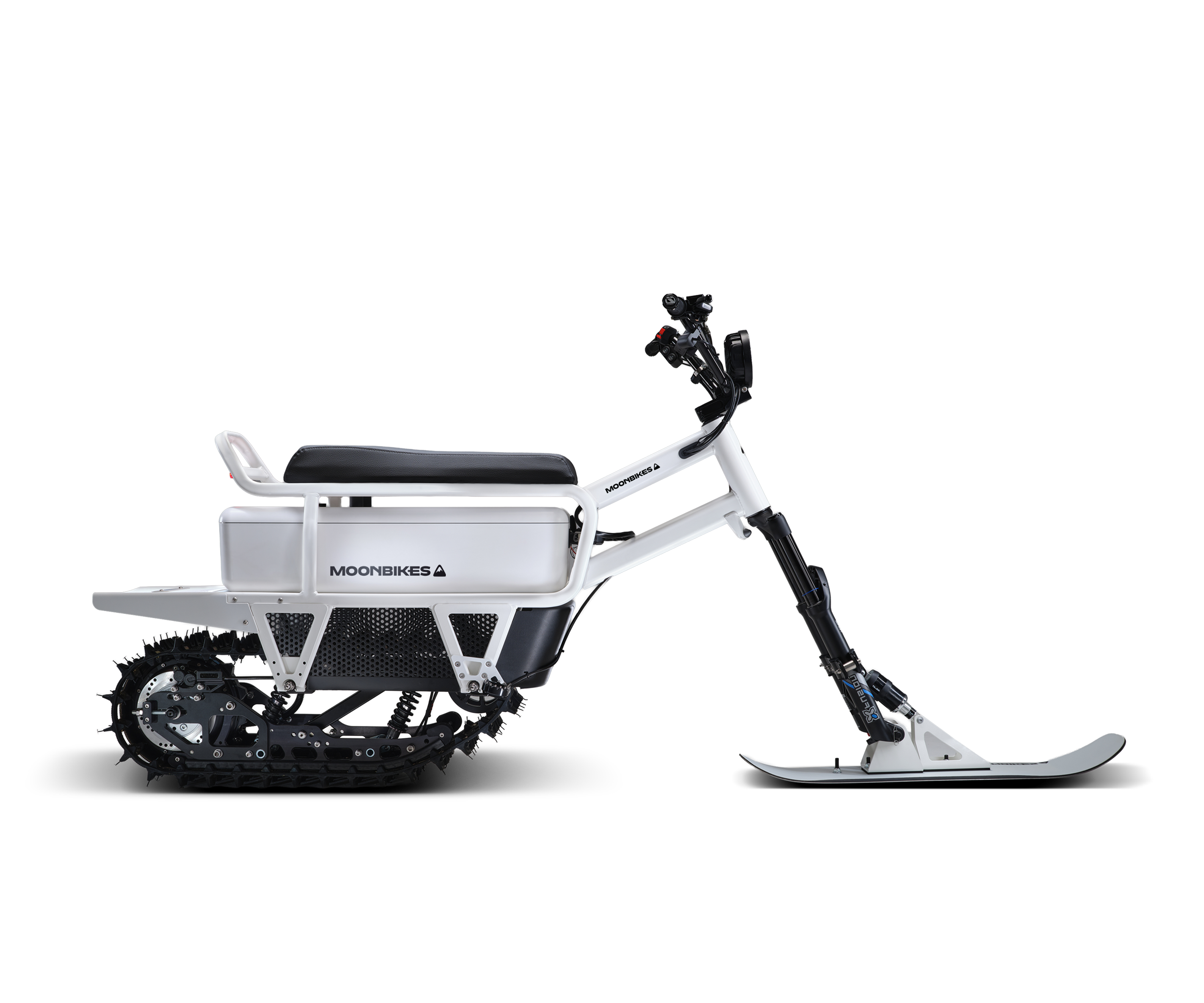
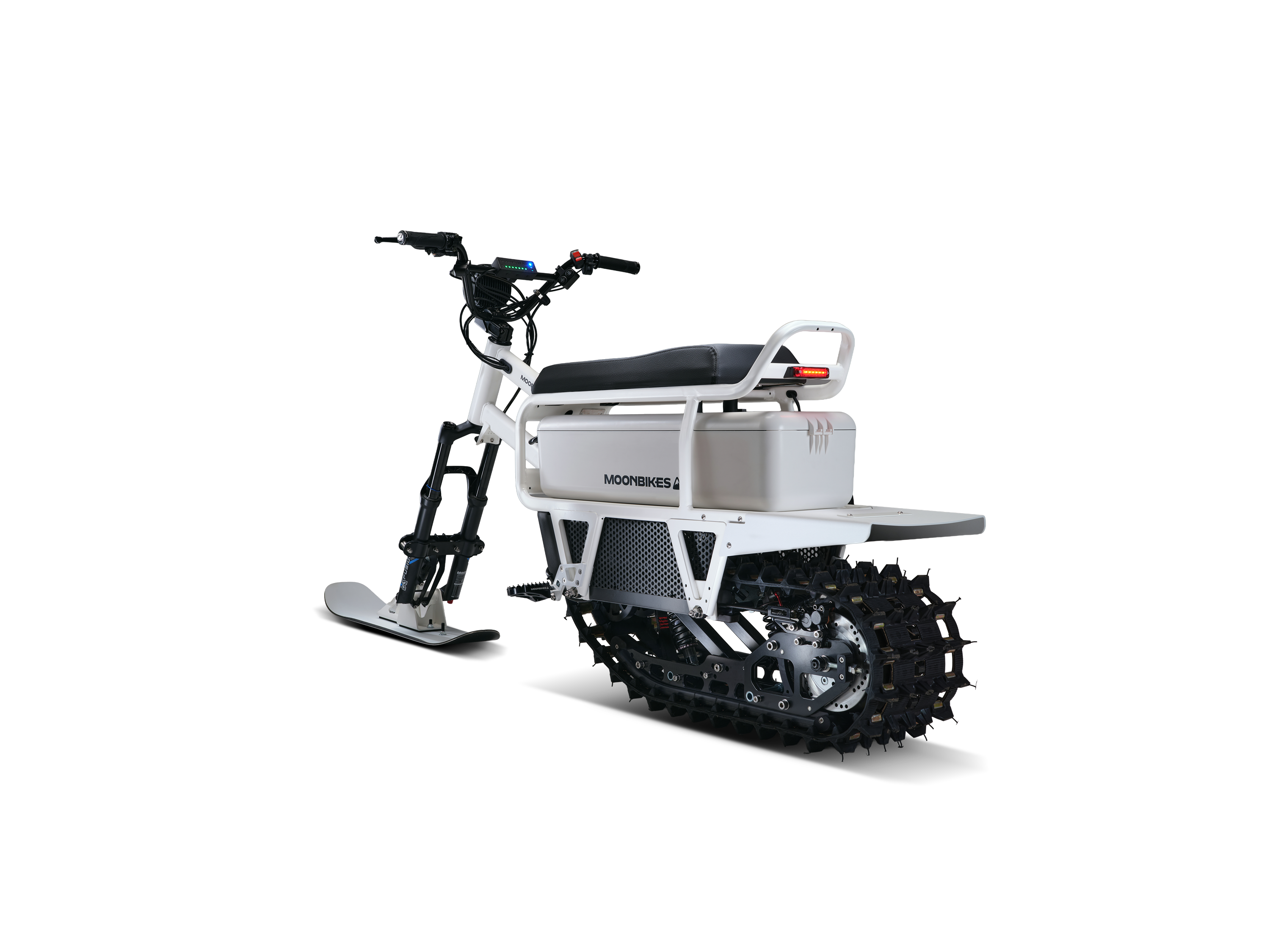
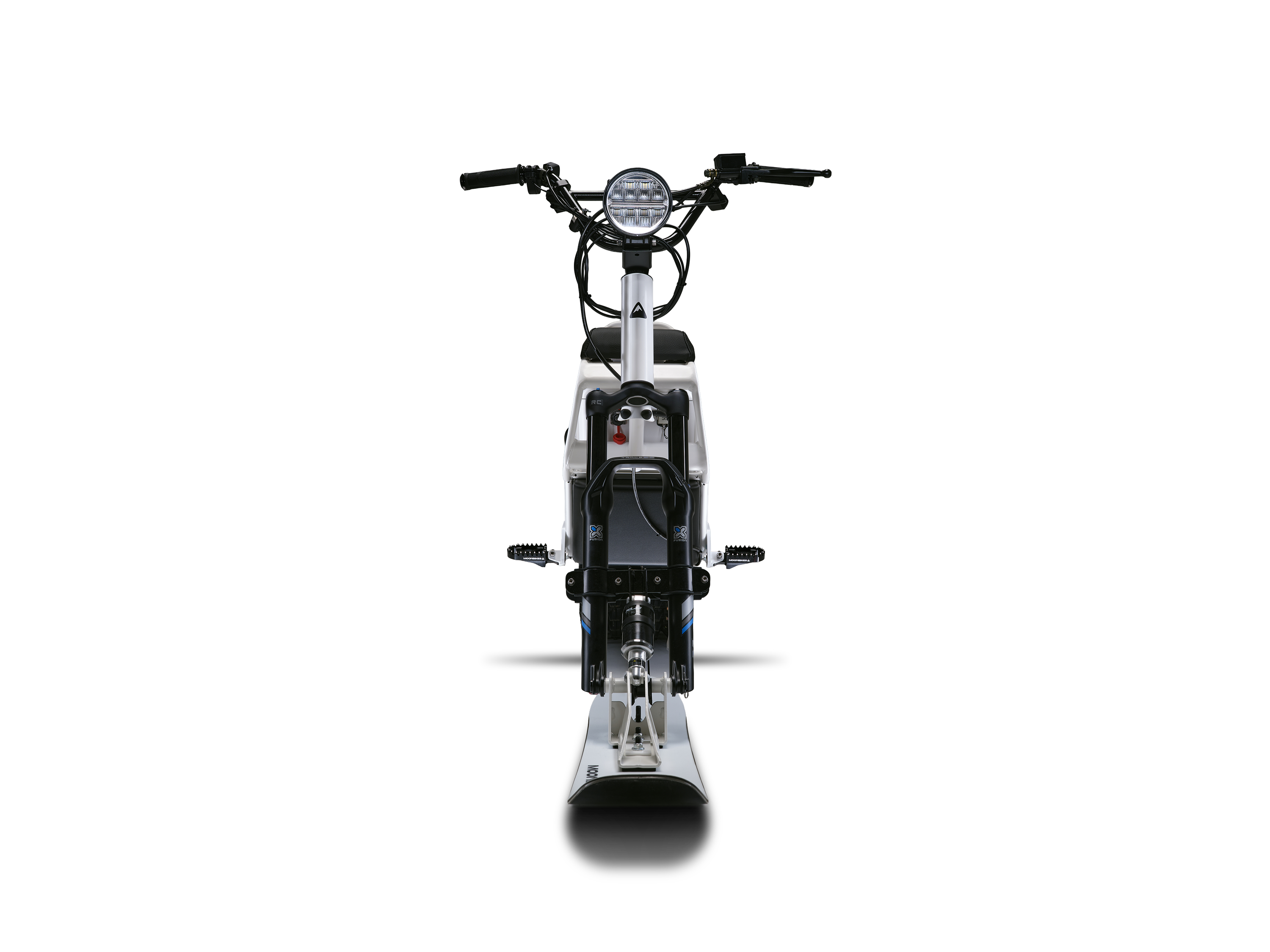
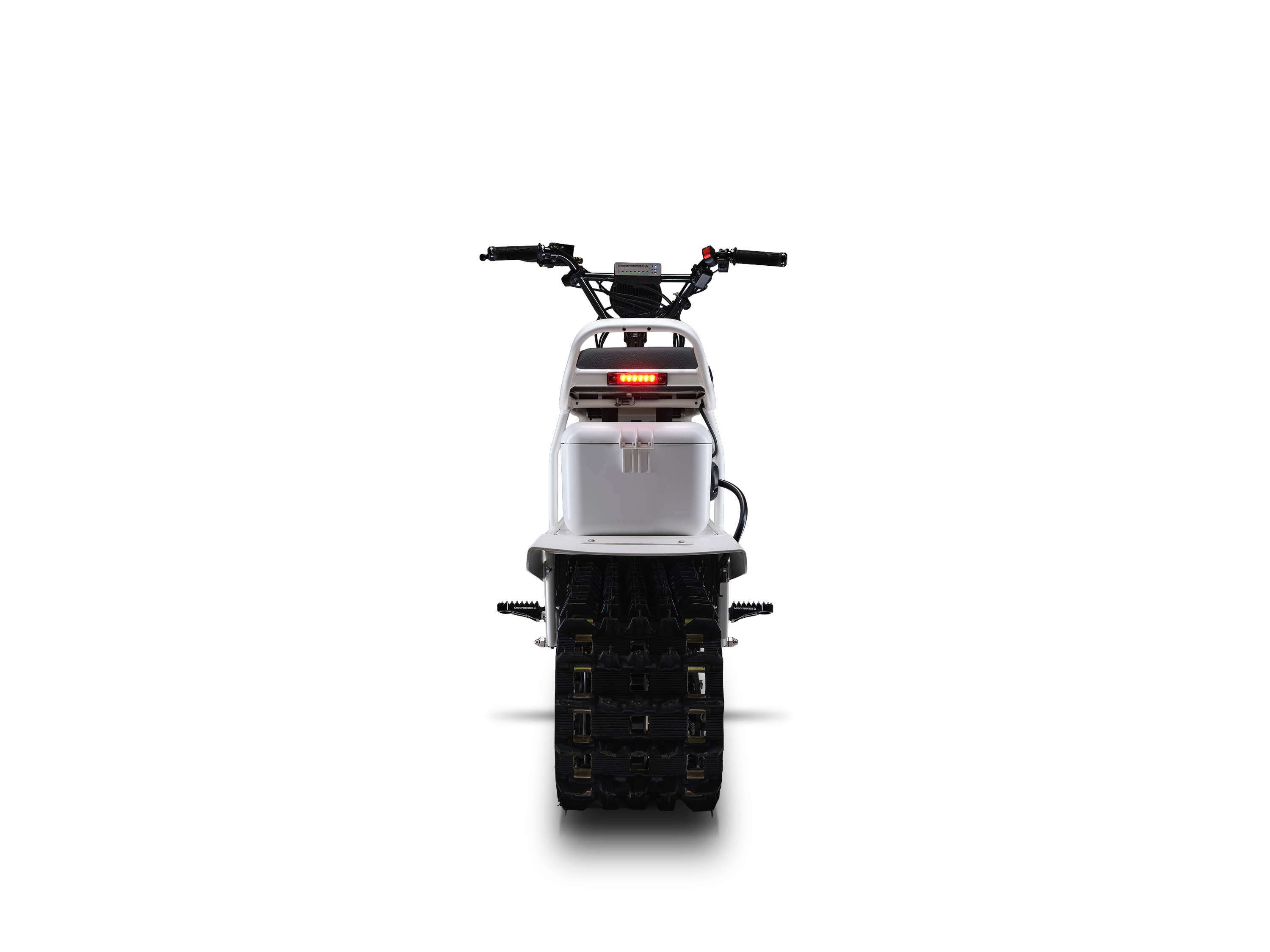
Moonbike: The Moonbike is a purpose-built electric snow motorcycle - the first production electric snowmobile available for consumer purchase. Ultra-lightweight at under 75 kg, the Moonbike is designed for riders who want the backcountry snowmobile experience in the most agile, trail-friendly package possible. Its narrow profile, electric silence, and zero emissions make it welcome in environments where gas snowmobiles face increasing restrictions.
Conversion Kits (Snow-Bike and Ski-Bike): ENVO's electric snowbike and ski-bike conversion kits transform existing bicycles or the Flex platform into snow-capable vehicles at a lower entry price point. Ideal for riders who want to explore winter riding without committing to a complete dedicated snow vehicle.
Light Electric Snowmobile FAQ
Regulatory
Trail access, licensing, and legal requirements for electric snowmobiles in Canada.
Do I need a snowmobile licence to ride a light electric snowmobile in BC?
Snowmobile licensing requirements in BC depend on the vehicle's classification and where it is operated. On designated snowmobile trails managed by snowmobile clubs, membership and a valid licence may be required regardless of whether the vehicle is electric or gas-powered. On private property, no licence is generally required. Light electric snowmobiles classified as low-power vehicles may have different requirements than full-size gas snowmobiles. Contact the BC Snowmobile Federation for current rules applicable to your specific vehicle and intended riding area.
Are electric snowmobiles allowed on BC snowmobile trail networks?
Access for electric snowmobiles on BC's snowmobile trail networks is a rapidly evolving area. Many clubs and land managers are actively developing policies that welcome electric snow vehicles, particularly given their lower noise and zero direct emissions. Some trail systems already explicitly permit electric snowmobiles. Contact the local snowmobile club or BC Snowmobile Federation for the current status of the specific trail network you plan to ride. Riding with a club and following all posted rules builds trust and keeps access open.
Do I need insurance for a light electric snowmobile?
Insurance requirements for snowmobiles vary by province and where the vehicle is operated. In BC, snowmobiles operated on public land typically require third-party liability insurance and a valid ICBC number plate sticker. Light electric snowmobiles may be classified differently from full gas snowmobiles - check with ICBC and the BC Snowmobile Federation for the exact requirements for your specific vehicle. Riding on private property generally has no insurance requirement.
Can I ride the Moonbike or ENVO SnowKart in a national park?
National park access for motorised snow vehicles is generally restricted to designated snowmobile trails and areas. Parks Canada is increasingly receptive to electric alternatives given their lower environmental impact, but specific access rules vary by park. Contact Parks Canada directly for the rules applicable to the specific park you plan to visit. In some parks, electric snow vehicles may access areas that gas snowmobiles cannot, given their zero direct emissions advantage.
What age can someone ride a light electric snowmobile in BC?
In BC, riders under 16 must complete a Snowmobile Safety course to operate a snowmobile on public land. The minimum age for unsupervised snowmobile operation varies by jurisdiction. Young riders on private property are subject to landowner rules. For family riding situations, the ENVO SnowKart's kart-style design and intuitive controls are well-suited to younger riders under adult supervision. Always verify the specific age requirements for your intended riding area.
Technical
Cold-weather battery performance, range, and technical specs.
How does cold weather affect an electric snowmobile's battery range?
Cold temperatures are the primary technical challenge of electric snow vehicles. At 0 degrees Celsius, lithium-ion batteries typically deliver 15 to 25% less range than at room temperature. At -20 degrees Celsius, range reduction can reach 30 to 40%. ENVO and Moonbike use cold-optimised battery management systems that pre-condition the battery and manage discharge rates in extreme cold. Practical mitigation: store the vehicle in a heated space, pre-warm the battery before riding, and plan range conservatively in very cold conditions.
How far can I ride on a single charge?
Range varies significantly based on snow conditions, terrain, rider weight, and temperature. In typical groomed-trail conditions at moderate speeds, ENVO snow vehicles deliver 20 to 50 km per charge depending on the model. The Moonbike is rated for approximately 25 to 40 km in typical backcountry conditions. Deep powder, aggressive riding, and cold temperatures reduce this range; groomed trails and moderate speeds extend it. Bring a charger for day-long sessions or plan rides with return points near charging options.
How long does it take to charge an electric snowmobile battery?
Charge time depends on battery capacity and charger output. Most ENVO snow vehicle batteries charge from 0 to 100% in 3 to 6 hours from a standard 120V outlet. Some models support faster charging with a higher-output charger. For full-day riding, charging overnight before your session ensures a full battery at the start. Many BC snowmobile lodges and huts have power available for charging during rest stops.
Do electric snowmobiles perform in deep powder?
Performance in deep powder depends on track width, power delivery, and vehicle weight. The Moonbike's lightweight design and wide track perform well in moderate powder conditions. The Flex Snowbike handles powder terrain suitable for its track geometry. Very deep, unconsolidated powder (50+ cm) challenges any lightweight snowmobile - gas or electric. For riders whose primary terrain is deep backcountry powder, the Moonbike is currently the best-performing electric option. As the category matures, more purpose-built powder electric snowmobiles are emerging.
How do I maintain an electric snowmobile during the winter season?
Electric snowmobiles require significantly less maintenance than gas equivalents - no oil changes, no carburetor tuning, no spark plugs. Regular maintenance includes: inspecting and lubricating the track, checking ski wear bars and steering components, inspecting electrical connections for corrosion, keeping the battery at 20 to 80% charge during storage, and storing the vehicle indoors when not in use. After riding in wet snow, dry the vehicle before storage to prevent corrosion on non-sealed components.
Use Cases
Which electric snow vehicle fits your winter riding style?
Which ENVO electric snow vehicle is best for beginners?
The ENVO Electric SnowKart is the most accessible entry point for new electric snow riders. Its kart-style seated position, intuitive controls, and stable four-contact-point geometry (two skis, one track) make it forgiving and fun from the first session. The SnowKart is also the best option for family riding where riders of different ages and experience levels share the vehicle.
Is the Moonbike suitable for experienced backcountry snowmobilers?
Yes - the Moonbike is specifically designed for riders with snowmobile experience who want to explore backcountry terrain in an electric, lightweight, and quiet package. Its riding position and handling characteristics will feel familiar to experienced snowmobilers. The primary adjustments experienced riders note are the quieter operation (which changes how you read terrain and interact with other backcountry users) and the need to plan around charging rather than fuel availability.
Can I use an ENVO conversion kit on my existing bike for winter riding?
Yes. The ENVO electric snowbike and ski-bike conversion kits are designed to transform compatible existing bikes or the ENVO Flex platform into winter-capable snow vehicles. This is the most cost-effective way to enter electric winter riding without purchasing a complete dedicated vehicle. Conversion kits are particularly popular with riders who already own an ENVO Flex platform and want to use it year-round.
Is a light electric snowmobile suitable for resort ski hill access?
Resort access policies for electric snowmobiles vary significantly by resort. Some resorts allow electric snow vehicles for out-of-bounds skiing access, ski patrol use, and snowcat-assisted touring. Others restrict all motorised access. Electric vehicles have a significant advantage in this conversation due to zero emissions and quiet operation. Contact your specific resort for their current policy. The Moonbike's narrow profile and lightweight design make it the most resort-friendly option in the lineup.
Product Comparisons
Comparing electric snow vehicles in the ENVO lineup.
Electric SnowKart vs Flex Snowbike vs Moonbike - which should I choose?
Choose the SnowKart for accessible family fun on open terrain and groomed areas - it has the lowest barrier to entry and is most suitable for all ages. Choose the Flex Snowbike if you want a more traditional snowmobile-style experience on a trail-ready platform at a moderate price. Choose the Moonbike if you are an experienced rider who wants the most capable backcountry electric snowmobile available - it delivers the highest performance in diverse snow conditions at the highest price point. For riders new to electric snow riding, the SnowKart or Flex Snowbike is the right starting point.
ENVO conversion kit vs complete electric snow vehicle - which is better value?
Conversion kits offer a lower initial investment and allow riders to use an existing platform they already own. They suit riders who want to explore electric winter riding without committing to a dedicated vehicle purchase. Complete vehicles like the Moonbike and SnowKart are purpose-built with optimised geometry, integrated systems, and better performance across all snow conditions. For serious winter riding, a complete vehicle is the better long-term investment. For casual exploration or budget-conscious entry into the category, a conversion kit is excellent value.
Electric snowmobile vs gas snowmobile - which is better?
Electric snow vehicles excel in areas where gas machines struggle: zero direct emissions (access to sensitive areas), quiet operation (no noise complaints, better wildlife observation), lower running costs (electricity vs gasoline), simpler maintenance (no oil changes, no tuning), and instant torque delivery. Gas snowmobiles still lead in total range per session, availability of fuel in remote areas, and maximum performance in the deepest, most challenging backcountry conditions. For groomed trails, resort-adjacent riding, and moderate backcountry use, a modern electric snowmobile is now a genuine alternative to gas. For extreme backcountry expedition use, gas still has the range advantage.
Safety
Safe practices for electric snowmobile and winter riding.
What safety gear do I need for electric snowmobile riding?
Always wear a certified snowmobile helmet - a full-face helmet is strongly recommended. Add an avalanche safety kit (beacon, shovel, probe) for any backcountry riding. Wear waterproof, insulated snowmobile-specific outerwear and gloves rated for the temperatures you will encounter. Bring a charged phone with offline maps, a fully charged backup battery, emergency rations, and a repair kit. Tell someone your planned route and expected return time before heading out. In avalanche terrain, ride with trained partners and check the avalanche forecast before every backcountry session.
How do I safely ride an electric snowmobile in avalanche terrain?
Electric snowmobiles are increasingly used for ski touring and backcountry access in avalanche terrain. The same avalanche safety rules apply as for any backcountry travel: check the avalanche forecast daily at avalanche.ca, always ride with a partner who carries an avalanche beacon, shovel, and probe, avoid riding beneath or above steep convex slopes after snowfall, and take an avalanche safety course before entering serious terrain. The quiet operation of electric snowmobiles is both an advantage (less noise triggers) and a risk factor (you may approach hazardous terrain without audible warning to others).
What should I do if my electric snowmobile runs out of charge in the backcountry?
Prevention is the only reliable answer - plan your ride with at least 30% battery reserve for unexpected detours and cold temperature range loss. Before any backcountry session, check the charge level, weather forecast, and planned route carefully. If you do run out of charge in a remote location: stay calm, use your phone to contact emergency services or your riding partners, activate your personal locator beacon if you have one, stay with the vehicle (it is easier to locate than a person on foot), and use emergency supplies. This scenario is avoidable with disciplined range management.